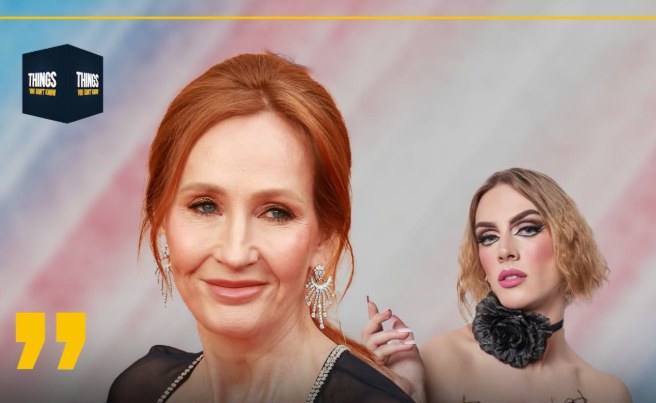
J.K. Rowling Sparks Fresh Global Controversy Over Sex and Gender Definitions Following Viral Social Media Statements The ongoing, highly polarized online debate surrounding gender identity and biological sex has intensified once again. Harry Potter author J.K. Rowling recently doubled down on her public positions regarding transgender women, triggering millions of views, extensive media coverage, and intense public reactions from both critics and supporters.Rowling’s recent statements on the social media platform X used a series of absolute comparisons—including “a hot dog isn’t a dog” and “an open secret isn’t a secret”—to argue that trans women should not be legally or linguistically classified as women.
The post immediately went viral, bringing her long-standing arguments back into the
center of public discourse. For several years, the author has actively campaigned on the premise that biological sex must remain distinct from gender identity. Her focus heavily emphasizes the preservation of sex-separated spaces, including women’s sports, correctional facilities, domestic abuse shelters, and changing rooms.Supporters of Rowling contend that her stance is a necessary defense of sex-based language, biological realities, and the hard-won legal protections specific to natal women. Conversely, advocacy groups, civil rights organizations, and LGBTQ+ allies strongly criticize her rhetoric. Detractors argue that such public declarations deny the fundamental identity and dignity of transgender women, exacerbating systemic marginalization and fostering a hostile social climate for an already vulnerable population.The renewed cultural friction occurs in the wake of significant legal developments in the United Kingdom. In a landmark 2025 decision, the UK Supreme Court unanimously ruled on the statutory definitions within Britain’s Equality Act 2010.
The court held that terms such as “woman,” “man,” and “sex” refer
strictly to biological sex within the framework of that specific legislation. However, the justices simultaneously emphasized that transgender individuals remain robustly protected against unlawful discrimination and harassment under the Act’s distinct provisions regarding gender reassignment.This legal clarity in the UK has provided a complex backdrop for the broader cultural conversation, as both sides look to legal precedents to anchor their positions.
Despite facing years of sustained pushback, boycotts, and public condemnation from prominent figures—including several cast members from the film adaptations of her books—Rowling has continuously signaled that she will not back down from the controversy. Her latest commentary serves as a stark reminder of how deeply divided global public opinion remains over the intersections of law, language, and gender identity.