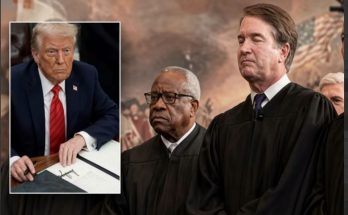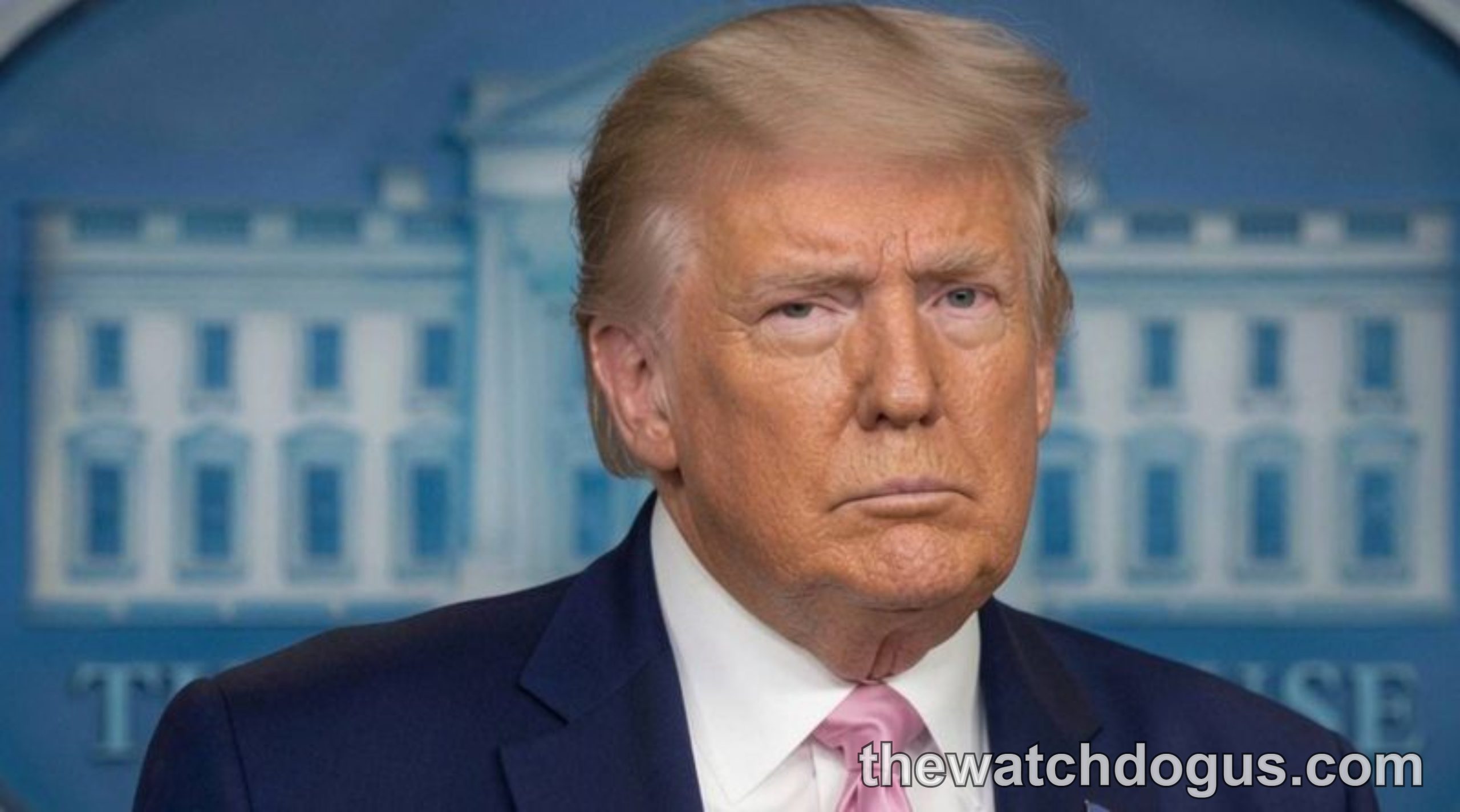
President Donald Trump’s decision to federalize Washington, D.C., rapidly altered the city’s security landscape, dropping crime statistics within days while simultaneously creating new anxieties among residents.
Trump’s executive order deployed federal law enforcement and armored vehicles throughout the nation’s capital, marking a significant shift in how the city addresses public safety. The action accomplished rapid changes that local and national policymakers had debated for years.
Immediate Security Changes
Residents who felt threatened by crime reported newfound confidence in their daily routines. Community communication channels previously filled with crime alerts and security warnings grew noticeably quieter as federal presence expanded across neighborhoods.
Some residents described the ability to walk home without constant vigilance for the first time in years. Local groups acknowledged that increased federal activity addressed long-standing public safety concerns that had gone unresolved.
Emerging Concerns
The same federal deployment triggered different reactions in other neighborhoods. Many residents expressed anxiety about expanded government presence and its implications for their daily interactions.
Immigrant families became increasingly hesitant to answer doors or engage with authorities, citing concerns about immigration enforcement. Parents in affected communities began discussing safety protocols with children regarding encounters with federal agents.
Law enforcement coordination created additional complications, as federal agencies, local police departments, and specialized task forces operated simultaneously without clear jurisdictional clarity. Some local officers privately expressed uncertainty about decision-making authority during incidents.
Broader Questions
The federalization effort has sparked national debate over the relationship between security measures and civil liberties. Washington, D.C., now serves as a case study in how rapid security interventions affect community trust and institutional relationships.
The situation raises fundamental questions about whether communities can achieve genuine safety when security measures generate fear and erode confidence in public institutions. As the city adjusts to federal presence, the nation continues examining what public safety requires in a democratic system.
This story has been updated. CNN’s Digital team contributed to this report.