The U.S. Supreme Court declined to block a lower court ruling that revived a lawsuit by immigration judges challenging a federal gag policy, instead allowing the case to proceed to trial court for additional review.
The justices rejected the Biden administration’s request to halt a decision from the 4th U.S. Circuit Court of Appeals on Friday. The appeals court had previously revived a lawsuit filed by the National Association of Immigration Judges challenging a policy that restricts judges from discussing immigration matters in their personal capacity.
The Core Dispute
The lawsuit centers on a federal policy that prohibits immigration judges “from speaking in their personal capacities about immigration and about the agency that employs them,” according to the judges’ association. The group claims the policy violates First Amendment protections and filed suit in Alexandria, Virginia federal court.
A district judge initially dismissed the case, ruling that federal employees must pursue such claims through the Civil Service Reform Act’s administrative review process rather than district court. The 4th Circuit reversed that decision and sent the case back for further proceedings.
Why the Appeals Court Intervened
The appeals court cited recent actions by the Trump administration that raised concerns about the independence of the federal administrative system. The court noted Trump’s dismissal of the Merit Systems Protection Board chair and the Special Counsel, two positions critical to reviewing federal employment disputes.
The panel suggested that if the administrative review process is no longer independent from presidential control, Congress may not have intended for federal employees to rely exclusively on that avenue for relief. The court directed the district judge to examine whether the administrative system remains sufficiently independent.
The Government’s Position
Solicitor General D. John Sauer requested on December 5 that the Supreme Court block the lower court ruling. He argued that “unelected judges do not get to update the intent of unchanged statutes if the court believes recent political events alter the operation of a statute the way Congress intended.”
Sauer warned that allowing the case to proceed could produce “destabilizing uncertainty” affecting other federal administrative review processes beyond employment disputes. Chief Justice John Roberts temporarily paused the ruling while the full court considered the request.
The Supreme Court’s Decision
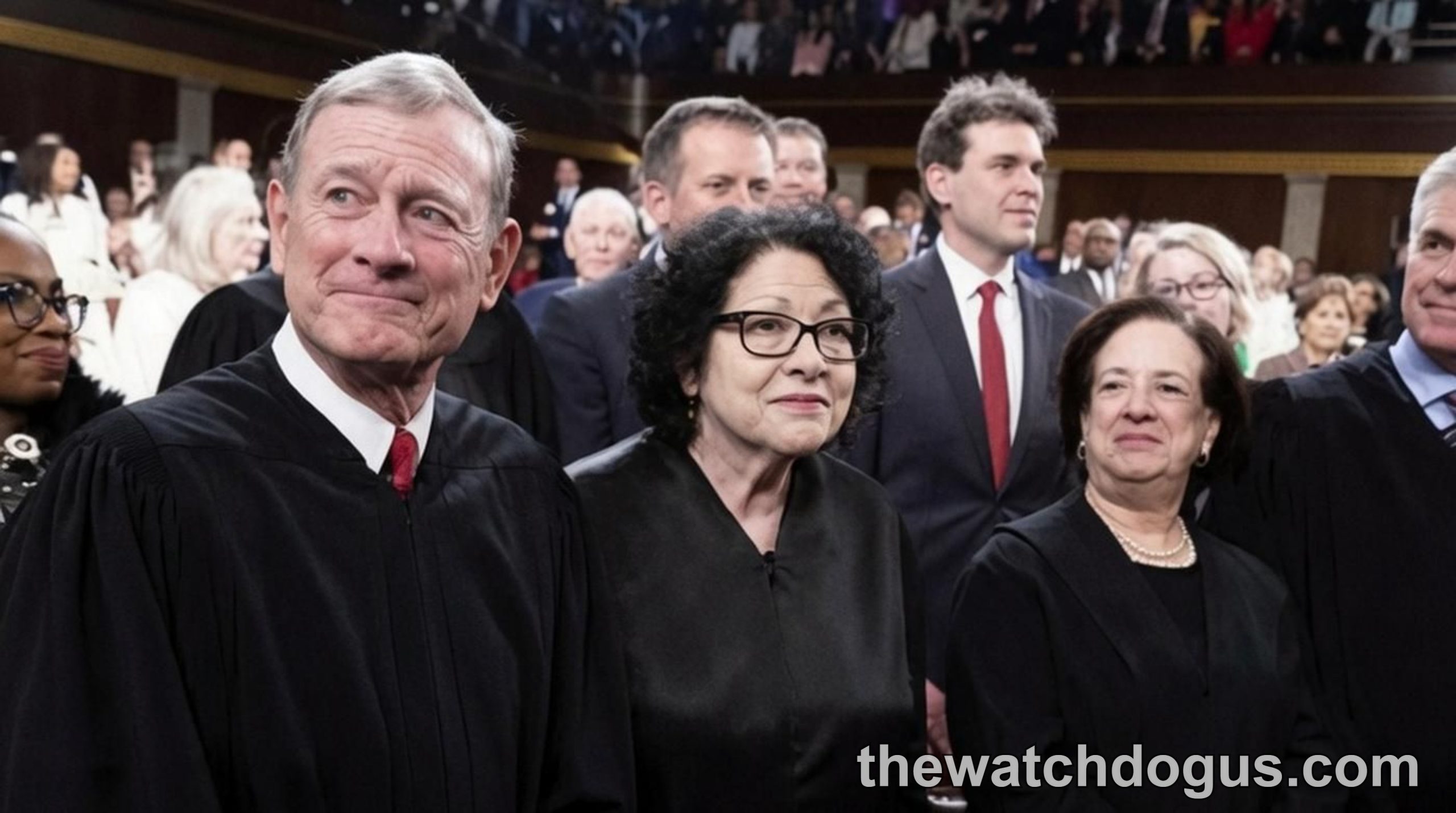
The justices determined the administration had not demonstrated it would suffer “irreparable harm” from allowing the case to move forward. The Supreme Court emphasized that the government could return to the high court with another request for relief if the district court begins gathering evidence before the Court decides whether to formally accept the case.
The judges’ association argued that the administrative review process may no longer be appropriate as the exclusive avenue for federal employment claims if it lacks independence from presidential influence. The group stated that limited fact-finding would not harm the government.
This story has been updated. CNN’s Supreme Court team contributed to this report.