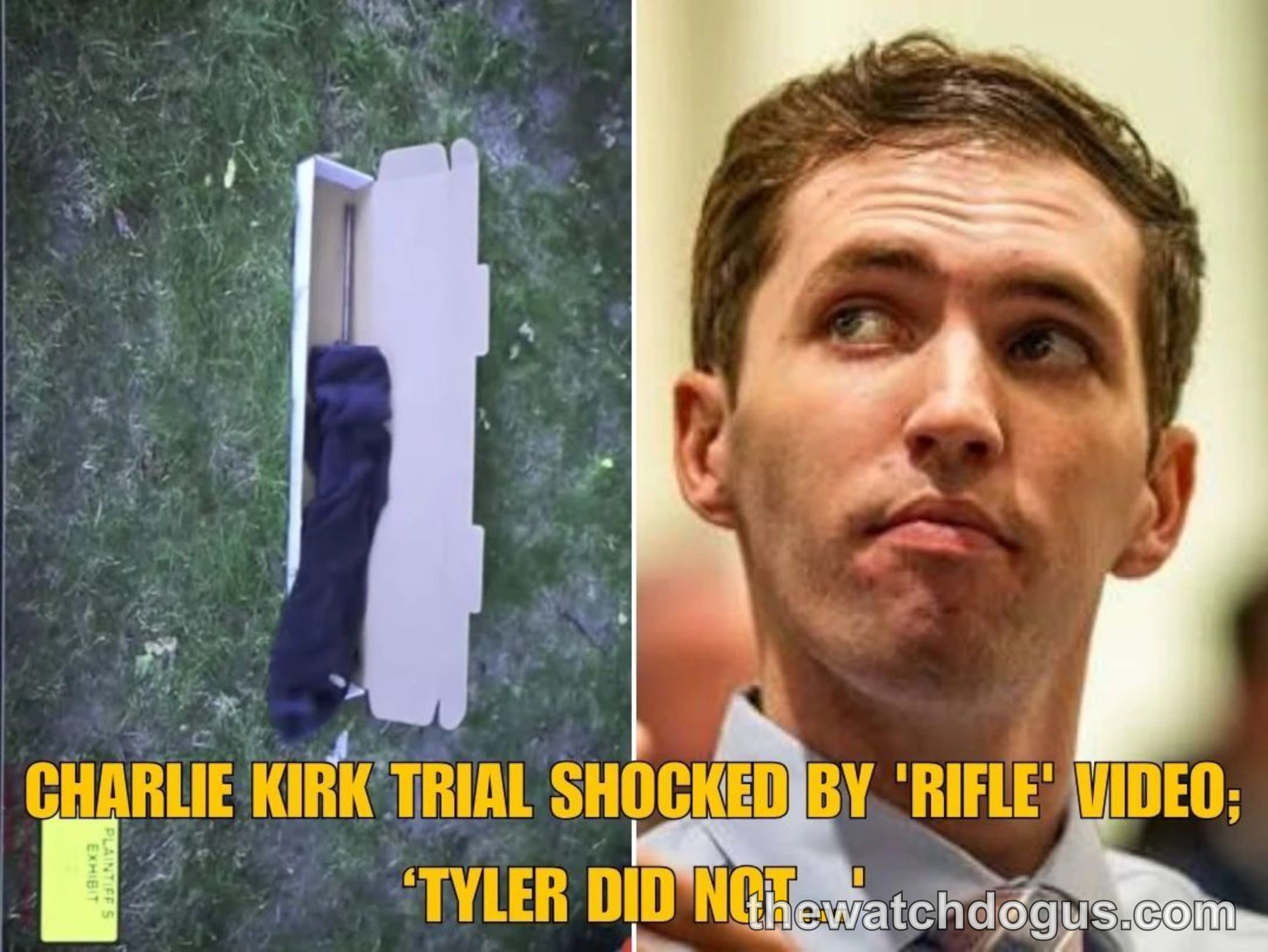
A state firearms examiner testified that ballistics evidence in a criminal case could neither identify nor exclude a recovered rifle as the weapon that fired a bullet fragment central to the prosecution’s case.
The testimony emerged during a preliminary hearing when the expert was questioned extensively about microscopic markings on the recovered bullet fragment. The examiner explained that while she observed both similarities and differences when comparing the fragment to test-fired rounds, the quality and quantity of markings were insufficient to reach a definitive conclusion.
The Technical Challenge
The firearms examiner described significant damage to the bullet fragment that complicated the analysis. She explained that she cleaned the fragment and physically unfolded portions of its jacket using pliers, a process she likened to peeling back the skin of a banana to expose the microscopic impressions necessary for comparison.

“Many of those markings simply were not preserved well enough to support a definitive answer,” the examiner testified. The damaged condition of the fragment meant that the microscopic evidence available did not meet the scientific threshold required for either identification or exclusion of the recovered rifle.
Additional Observations
Defense attorneys questioned the examiner about dust and debris observed inside the recovered rifle’s barrel. The witness acknowledged the observation but cautioned that dust can accumulate for numerous reasons and that she could not determine the source in this particular case.

The examination also focused on general firearm characteristics rather than individual identification. The examiner noted that measurements of caliber, rifling direction, and land-and-groove features can narrow possibilities but cannot identify a specific weapon, and that multiple .30 caliber firearms shared compatible characteristics.
What This Means
The testimony has generated significant online discussion, with observers interpreting the inconclusive finding in different ways. Some commentators argue the conclusion undermines the prosecution’s case, while others contend the examiner did not rule out the recovered rifle.

Preliminary hearings determine whether sufficient evidence exists for a case to proceed, not whether guilt has been established. Prosecutors typically present multiple forms of evidence rather than relying on a single forensic test, while defense attorneys highlight scientific uncertainties that could support reasonable doubt arguments later in trial.
This story has been updated. CNN’s forensics team contributed to this report.