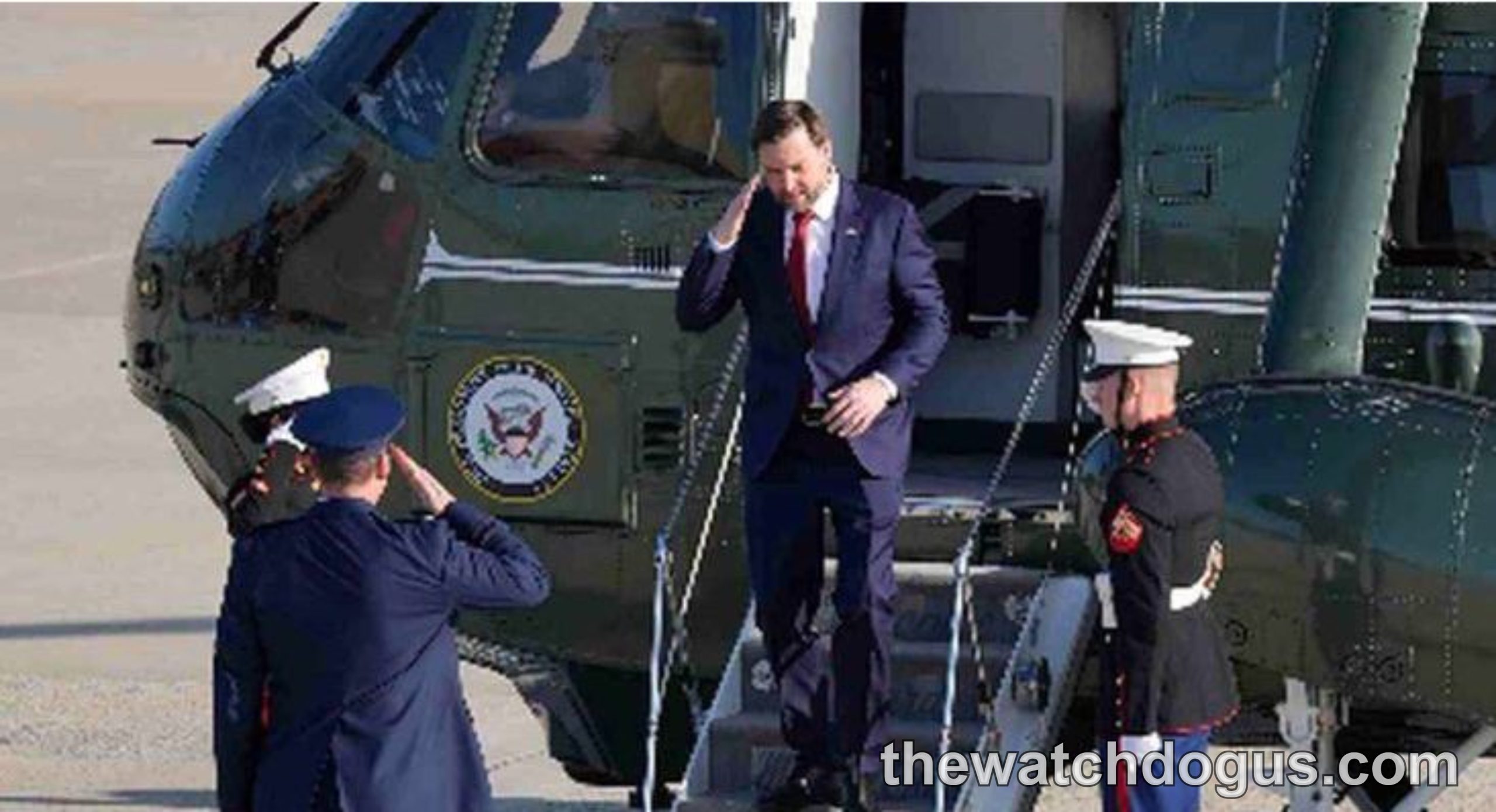
Vice President JD Vance was summoned back to the White House on Tuesday, delaying his planned trip to lead U.S. negotiations with Iran in Islamabad amid uncertainty over Iranian participation.
Vance was expected to depart for Pakistan’s capital to head American negotiators in discussions aimed at resolving tensions with Iran. Instead, he was called back to the White House for policy meetings as questions mounted about whether Iranian officials would attend the talks.
CNN’s Alayna Treene reported that the timing of Vance’s trip remains unclear. “All we do know is that it is definitely delayed and that we should expect to see now the vice president at the White House for meetings today, not leaving this morning on that plane as we had previously reported,” Treene told anchors Wolf Blitzer and Pamela Brown.
What Derailed the Negotiations
Vance cited a fundamental disagreement as the reason for the delayed trip. The vice president said Iranian officials refused to provide what the United States described as an “affirmative commitment” that the country will not pursue nuclear weapons development.
“The bad news is that we have not reached an agreement,” Vance said. “And I think that’s bad news for Iran, much more than it’s bad news for the United States of America.”
As of Tuesday evening, Pakistan’s Foreign Ministry confirmed it was still awaiting formal confirmation from Iran about whether its delegation would attend the Islamabad talks. Pakistani mediators remained in “constant touch” with Iranian officials, the ministry indicated.
Escalating Pressure and Statements
The U.S. has intensified pressure on Iran by implementing a naval blockade. U.S. Central Command reported on Tuesday that American forces ordered 28 ships to turn around or return to port, preventing them from entering Iranian waters.
Iranian President Masoud Pezeshkian offered a sharp rebuke of the negotiations in a post on X, criticizing the Trump administration’s approach. “The level of understanding and comprehension of the requesters from Iran regarding their presence in Islamabad is even lower than Trump’s level of understanding and comprehension,” he wrote.
President Trump has expressed little interest in extending the current two-week ceasefire beyond its Wednesday expiration date. “We don’t have that much time,” Trump told CNBC, suggesting he prefers a permanent agreement over a temporary extension.
Diplomatic Efforts Continue
U.S. Chargé d’Affaires Natalie Baker met with Pakistani Deputy Prime Minister Ishaq Dar on Tuesday to discuss ongoing diplomatic efforts. Dar stressed that dialogue and diplomacy remained “the only viable means to address challenges and achieve lasting regional peace and stability,” according to Pakistan’s Foreign Ministry.
Dar urged both sides to consider extending the ceasefire and give negotiations more time to develop, though Trump has signaled reluctance to do so.
This story has been updated. CNN’s Alayna Treene contributed to this report.