A Utah judge has rejected a defense request to display all exhibits in the case against the man accused of killing conservative activist Charlie Kirk during a campus event in September 2025.
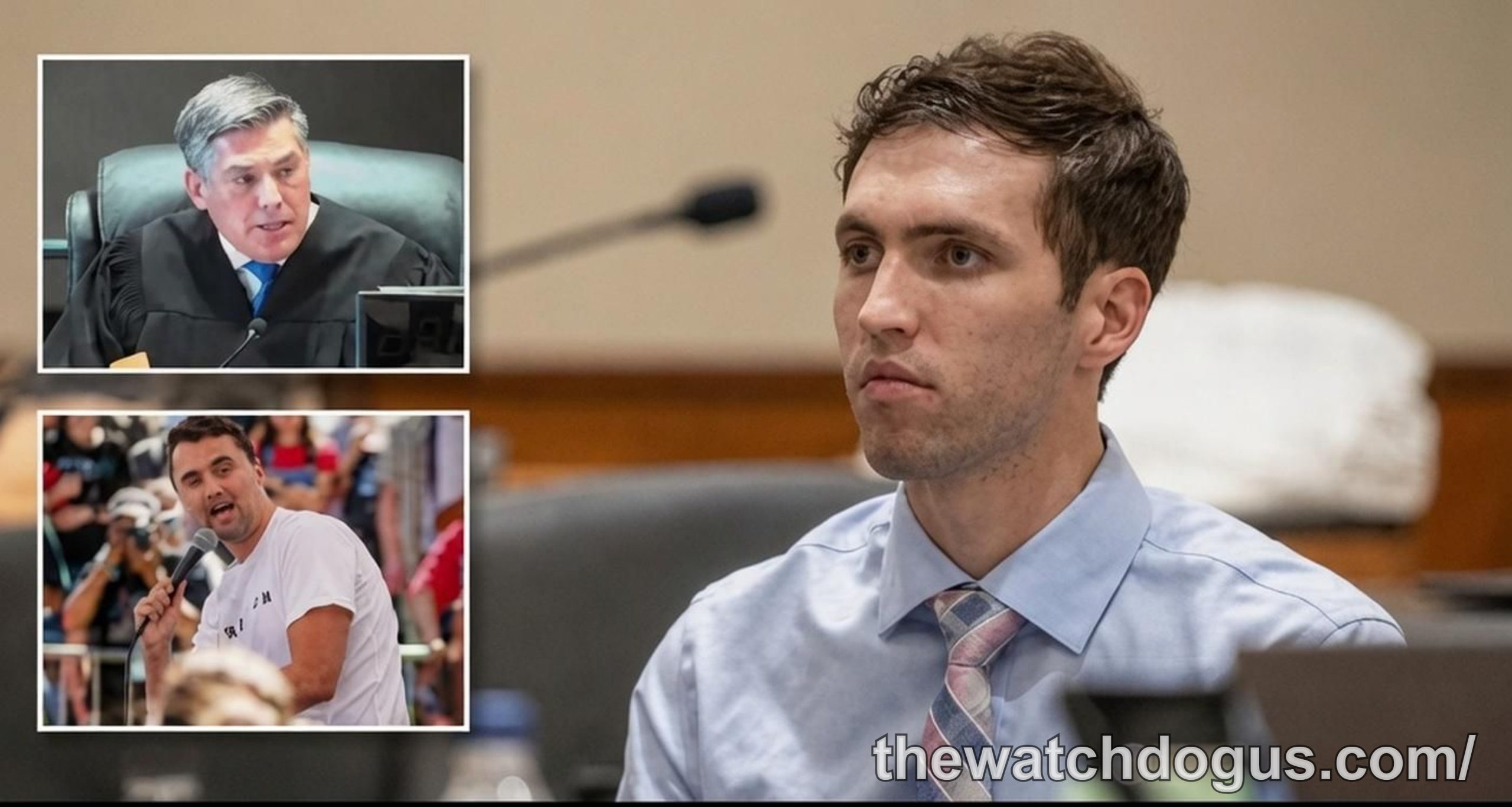
Judge Tony Graf Jr. made the ruling Wednesday during preliminary hearings for Tyler Robinson, who faces charges in connection with Kirk’s death at Utah Valley University. The decision prevents the display of materials that prosecutors characterize as a confession statement from Lance Twiggs, Robinson’s romantic partner.
DNA Evidence Presented in Court
A Utah Department of Public Safety investigator testified Tuesday that DNA belonging to Twiggs was recovered from critical pieces of evidence found at the scene.
Sergeant Jennifer Faumina, assigned to the State Bureau of Investigation, read portions of DNA analysis findings from the witness stand. “Male DNA was obtained from item 7-1. Item 7-1 was interpreted as originating from two individuals, one of whom is Twiggs,” Faumina testified.
Faumina also stated that male DNA matching Twiggs was found on a second item. “Male DNA was obtained from item eight sub one. Item eight sub one was interpreted as originating from two individuals, one of whom is Twiggs,” she said.
The items were identified in court as a screwdriver recovered from the rooftop of the Losee Center for Student Success and a towel wrapped around the rifle allegedly used in the shooting.
Supreme Court Clears Path for Hearing
The Utah Supreme Court declined to hear the defense’s appeal of two pretrial rulings before the hearing began Monday. The decision allowed Robinson’s preliminary hearing to proceed as scheduled and continues throughout the week.
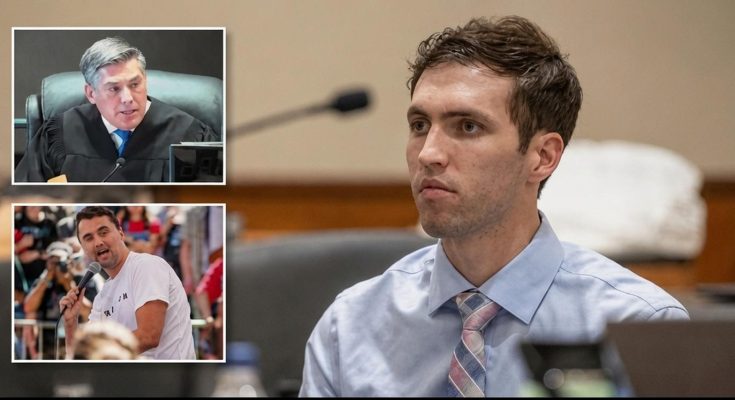
The defense had challenged Graf’s decisions to allow cameras in the courtroom and to permit certain hearsay evidence during the preliminary hearing. “The petition for permission to appeal from an interlocutory order is denied,” the state’s highest court stated.
Media Coverage Restrictions Debated
The question of allowing cameras in the courtroom has been contentious throughout pretrial proceedings. Defense attorneys first sought appellate review of Graf’s rulings in May after he rejected their request for a blanket prohibition on cameras.
Graf established that media coverage requests would be evaluated on a hearing-by-hearing basis instead of through blanket policy. News organizations must submit requests to use cameras or electronic equipment at least 14 days before scheduled proceedings.
During the current hearing, Graf rejected nearly all of the defense’s requests to bar cameras from coverage. The judge granted only one motion, denying one media outlet’s request to take still photographs on the opening day because the application was filed one day past the court’s deadline.
This story has been updated. CNN’s Digital team contributed to this report.