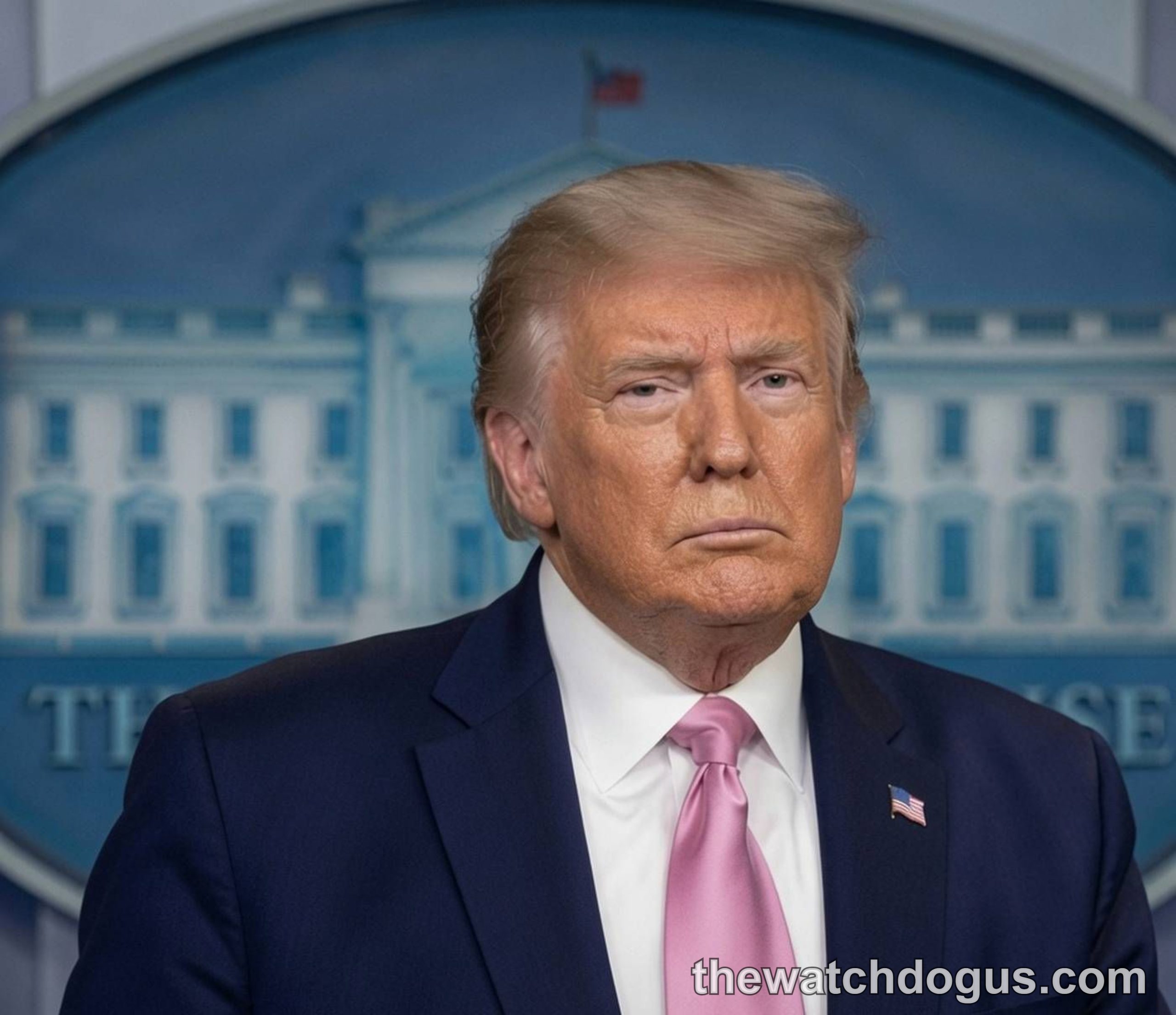
The Trump administration has expanded the role of federal law enforcement agencies in Washington, D.C., citing public safety concerns and efforts to reduce violent crime.
The action represents a significant shift in how federal authorities operate within the nation’s capital. Administration officials have framed the effort as necessary coordination among federal agencies to strengthen enforcement and improve public safety throughout the city.
Public Response Diverges
Some residents report feeling safer following the increased law enforcement presence, citing more visible patrols and a reduction in criminal activity in their neighborhoods. “We’ve noticed a real difference on the streets,” one community member said of the expanded enforcement efforts.
Civil rights organizations and community advocates have raised concerns about the expanded federal role, questioning potential impacts on immigrant communities and oversight mechanisms. “We need clarity on which agencies are operating where and how this coordinates with local authorities,” advocates have stated regarding the coordination between federal and municipal law enforcement.
Constitutional Questions Emerge
The developments have reignited debate over Washington’s unique governance structure, where Congress maintains significant constitutional authority despite the city’s elected local government. Legal observers note that federal involvement in the District has historically reflected broader tensions about public safety and home rule.
The discussion now encompasses constitutional authority, community confidence, and the balance between effective law enforcement and protection of civil liberties. These questions highlight longstanding disagreements about how to address crime while maintaining local governance and accountability standards.
This story has been updated. CNN’s reporting team contributed to this report.