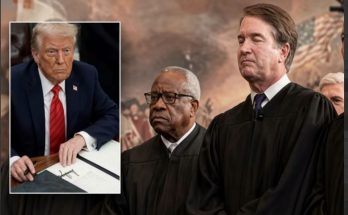
The Trump administration is in the final stages of negotiations with Iran to end the regional conflict, combining diplomatic pressure with military deterrence as both sides work toward a comprehensive agreement.
President Donald Trump’s team, including Vice President JD Vance and Secretary of State Marco Rubio, is engaged in high-level discussions in Qatar. The talks address nuclear concerns, regional security, and access through the Strait of Hormuz, a vital international shipping route.
Diplomatic Positions
Secretary Rubio stressed during a visit to India that the U.S. will not accept restrictions on maritime traffic through the Strait of Hormuz. “While negotiators have made progress in drafting a potential agreement, the United States remains prepared to walk away if the final terms fail to meet the administration’s objectives,” Rubio said.
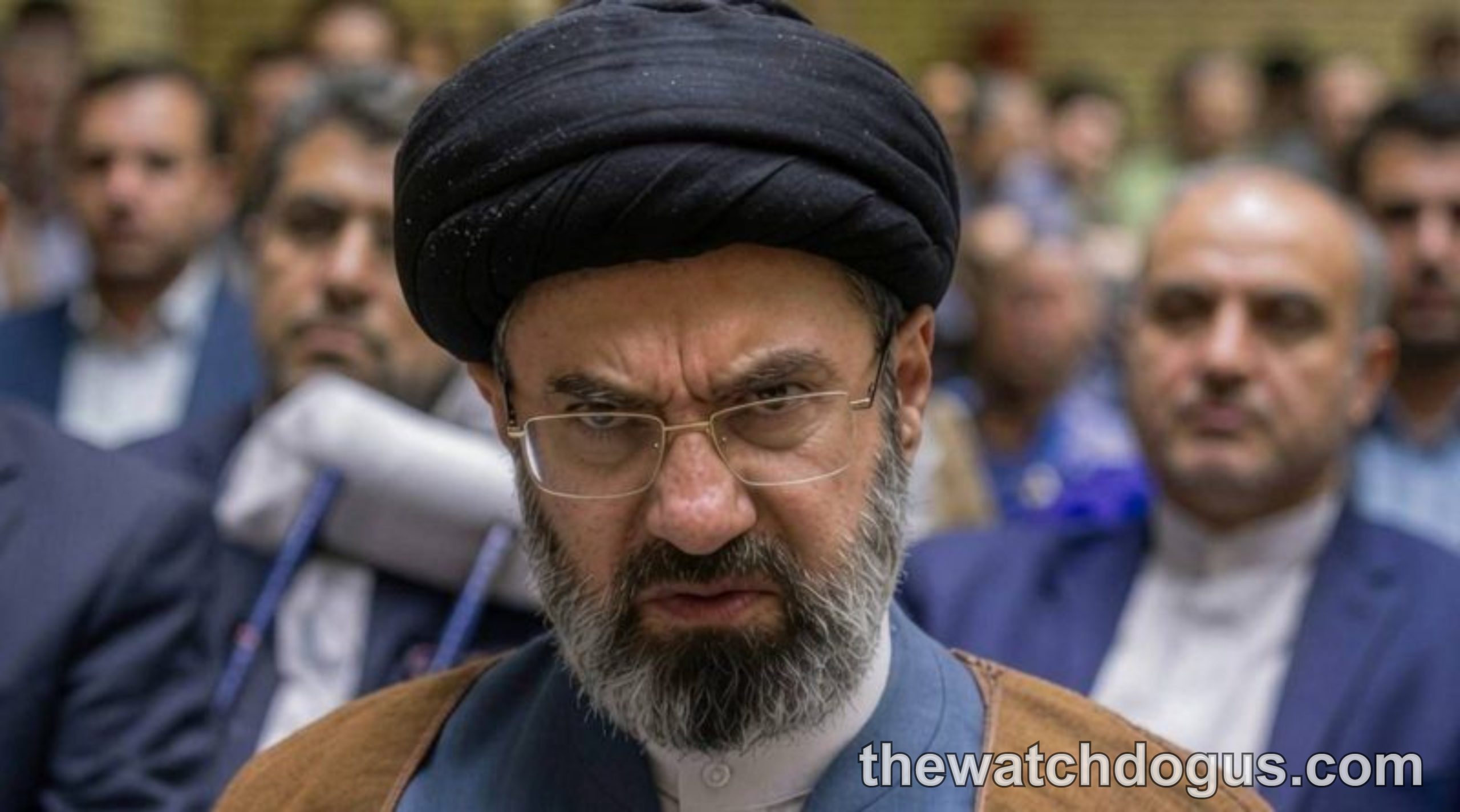
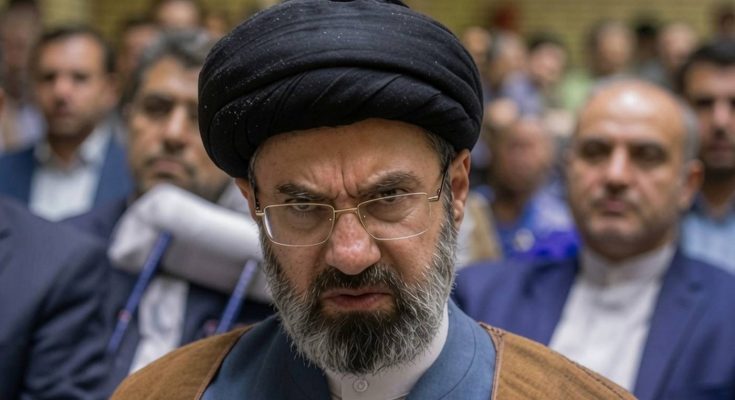
Iran’s Foreign Ministry spokesman Esmaeil Baqaei acknowledged that progress has been made on many issues. However, he indicated substantial differences remain and accused the U.S. of changing its negotiating positions during talks.
Military Operations Continue
Despite ongoing diplomatic efforts, U.S. Central Command conducted what officials characterized as self-defense strikes in southern Iran. According to Captain Tim Hawkins, the operations targeted missile launch sites and Iranian vessels allegedly attempting to deploy naval mines near Bandar Abbas.
The strikes came in response to threats from Iranian surface-to-air missile systems directed at American forces in the region. The actions occurred despite a ceasefire that had been in place for several weeks.
Nuclear Framework
The proposed agreement would require Iran to dispose of its highly enriched uranium stockpile and halt uranium enrichment for 20 to 30 years under international verification. In exchange, the United States would lift maritime restrictions and ease certain economic sanctions.
Administration officials have indicated they seek a more comprehensive arrangement than the 2015 nuclear deal negotiated under the Obama administration. Officials argue any new agreement must permanently address Iran’s nuclear program while strengthening regional stability.
This story has been updated. CNN’s international desk contributed to this report.