The Supreme Court ruled 5-4 on Tuesday that voluntary departure deadlines for certain immigrants must be extended to the next business day if they fall on a weekend or federal holiday.
The decision in Monsalvo Velazquez v. Bondi addressed how federal immigration officials should interpret a 60-day window allowing immigrants with good moral character to leave the United States voluntarily rather than face formal removal proceedings. The ruling reversed positions taken by both the 10th Circuit Court of Appeals and the Board of Immigration Appeals.
The Court’s Decision
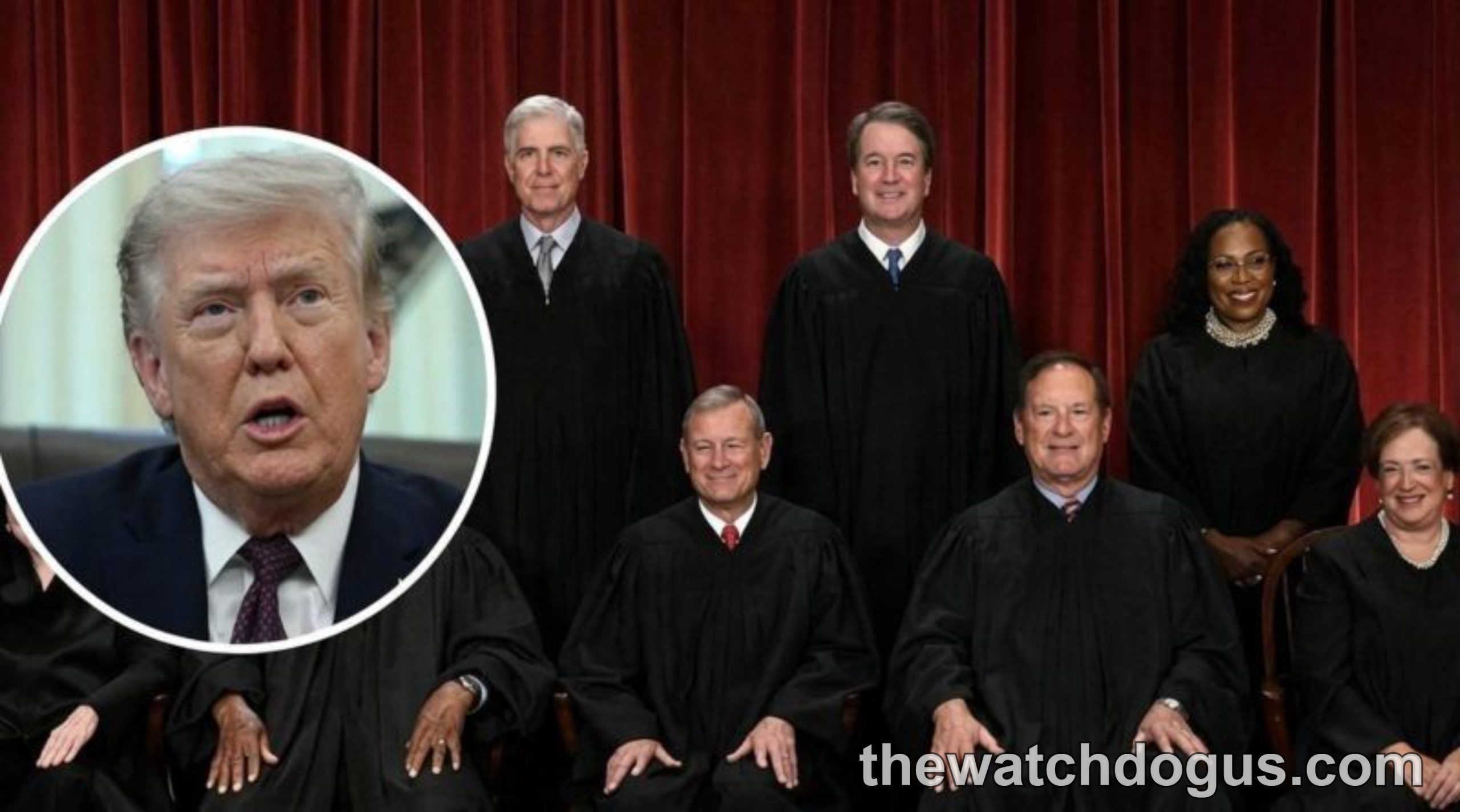
Justice Neil Gorsuch wrote for the majority, which included Chief Justice John Roberts and Justices Sonia Sotomayor, Elena Kagan, and Ketanji Brown Jackson. Gorsuch stated that the interpretation aligns with longstanding administrative practices in immigration law dating back to the 1950s.
“When Congress adopts a new law against the backdrop of a ‘long-standing administrative construction,’ the Court generally presumes the new provision works in harmony with what came before,” Gorsuch wrote. He noted that immigration regulations have historically excluded weekends and holidays when calculating deadline periods, a practice he said Congress acknowledged in the 1996 Illegal Immigration Reform and Immigrant Responsibility Act.
The Dissent
Justices Clarence Thomas, Samuel Alito, Brett Kavanaugh, and Amy Coney Barrett dissented from the majority opinion. Thomas argued the Supreme Court lacked jurisdiction to hear the case, while Barrett criticized the nature of the appeal itself.
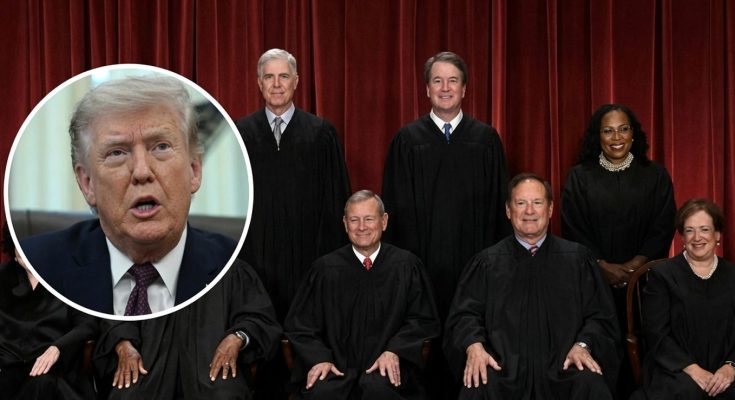
Justice Alito rejected the majority’s interpretation entirely, contending the 60-day deadline should include weekends without extension. “There will always be a sympathetic pro se alien who is a day or two late,” Alito wrote. “Unless the Court is willing to extend the statutory deadline indefinitely, it would presumably be forced to say in such cases that a day too late is just too bad.”
What This Means
The narrow 5-4 split may signal how the Court approaches future immigration disputes. The Supreme Court is scheduled to hear oral arguments May 15 in a major case challenging President Donald Trump’s effort to end birthright citizenship, considered one of the most significant cases to reach the court since his return to office.
The ruling emerges as immigration patterns shift under the Trump administration. Migrants who began traveling toward the United States under President Joe Biden’s policies have increasingly turned back or chosen not to depart for America, according to reports this week.
This story has been updated. CNN’s staff contributed to this report.