Utah Judge Keeps Death Penalty on the Table in Charlie Kirk Assassination Attempt Case Despite Prosecutor’s Misconduct
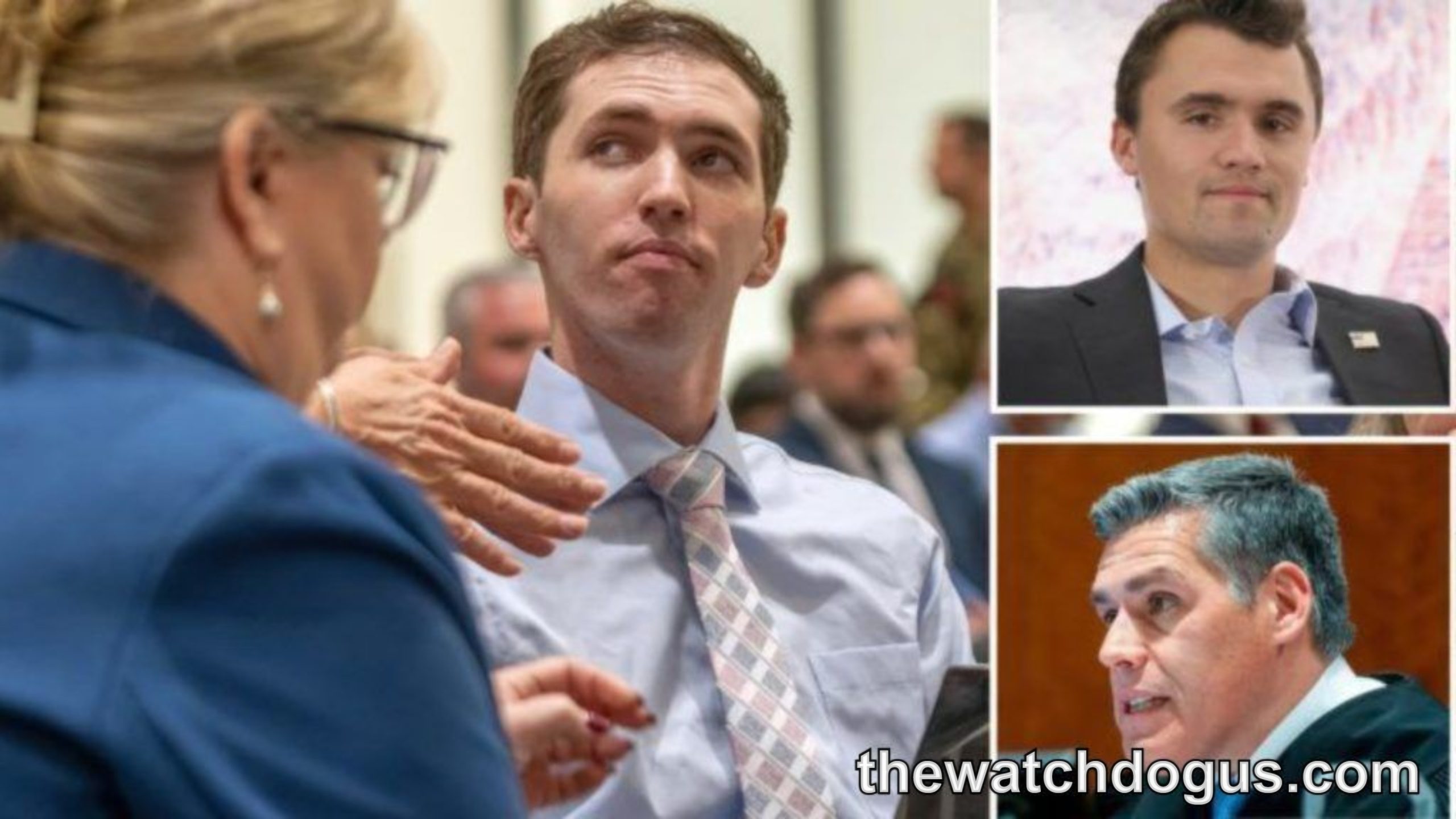
A judge in the U.S. state of Utah has ruled that prosecutors may continue seeking the death penalty against Tyler Robinson, the man accused in connection with the alleged assassination attempt on conservative political activist Charlie Kirk. The decision came despite findings that a prosecutor violated a court-issued gag order by making inappropriate public comments about the case.
The Prosecutor’s Violation
Judge Tony Graf Jr. issued the ruling on Friday after reviewing a defense request to remove capital punishment as a possible sentence. Defense attorneys argued that statements made by Deputy Utah County Attorney Christopher Ballard had compromised Robinson’s right to a fair trial and warranted the dismissal of the death penalty as a sentencing option.
However, Judge Graf concluded that although the prosecutor’s conduct was improper, eliminating the possibility of capital punishment would be an excessive response. In his written decision, the judge stated that the requested sanction was “grossly disproportionate” to the misconduct and was not legally supported under the circumstances.
The dispute arose after defense attorneys challenged key ballistic evidence presented by investigators. Court filings questioned whether forensic experts had successfully linked a bullet recovered during the investigation to a rifle reportedly owned by Robinson’s grandfather. The defense argued that federal testing failed to establish a conclusive connection between the firearm and the evidence collected in the case.
Following widespread media coverage of those filings, prosecutors sought to clarify the forensic findings. According to court records, the U.S. Bureau of Alcohol, Tobacco, Firearms and Explosives (ATF) described its toolmark examination as inconclusive, meaning investigators could not definitively match the bullet to the rifle. At the same time, the agency confirmed that the bullet was of the same caliber as the weapon in question.
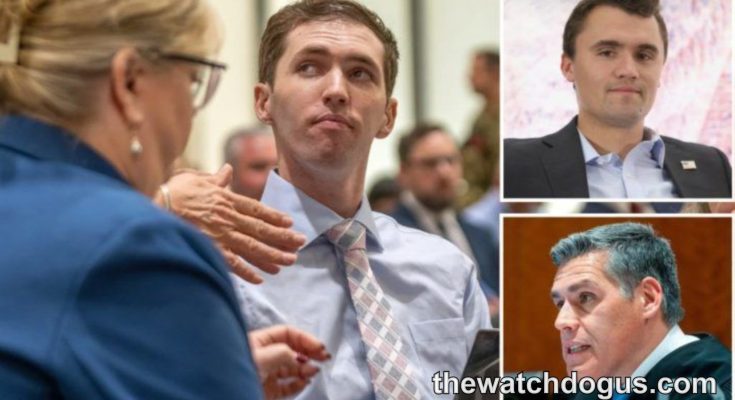
Judge Graf found that while prosecutors were entitled to respond to what they considered misleading public interpretations of the evidence, Ballard exceeded acceptable limits by expressing confidence in the strength of the prosecution’s case during interviews with news organizations. Such remarks, the judge ruled, violated the existing gag order designed to protect the integrity of the judicial process.
Despite identifying the violation, the court determined that the misconduct did not justify removing the death penalty from consideration if Robinson is ultimately convicted of aggravated murder.
Instead, Judge Graf announced that the court would take additional measures during jury selection to help safeguard Robinson’s constitutional right to a fair trial. Expanding the jury selection process, he said, would provide a more appropriate remedy by ensuring that prospective jurors are carefully screened for potential bias resulting from pretrial publicity.
The prosecution defended its actions throughout the proceedings, arguing that its public statements were intended solely to correct what it viewed as inaccurate portrayals of the evidence circulating in the media. Prosecutors maintained they had acted within the limits of the court’s restrictions and denied intentionally violating the gag order.
Defense attorneys, however, contended that the prosecutor’s comments went beyond factual clarification and improperly attempted to influence public opinion regarding Robinson’s guilt.
The disagreement has intensified tensions between both legal teams, with each side accusing the other of engaging in conduct that could prejudice the case before trial.
Robinson has pleaded not guilty to charges stemming from the alleged assassination attempt involving Charlie Kirk. As with all criminal defendants in the United States, he is presumed innocent unless proven guilty beyond a reasonable doubt in a court of law.
The Judge’s Decision
The case continues to draw national attention because of the serious nature of the allegations, the potential use of capital punishment, and the legal questions surrounding prosecutorial conduct, pretrial publicity, and the balance between protecting free speech and ensuring a fair judicial process.
Further hearings are expected as the court prepares for trial, where both the admissibility of evidence and the selection of an impartial jury will remain central issues in one of Utah’s most closely watched criminal cases.