Unverified claims about former President Donald Trump’s health circulated rapidly on social media after unexpected schedule adjustments, prompting official clarifications that no medical emergency occurred.
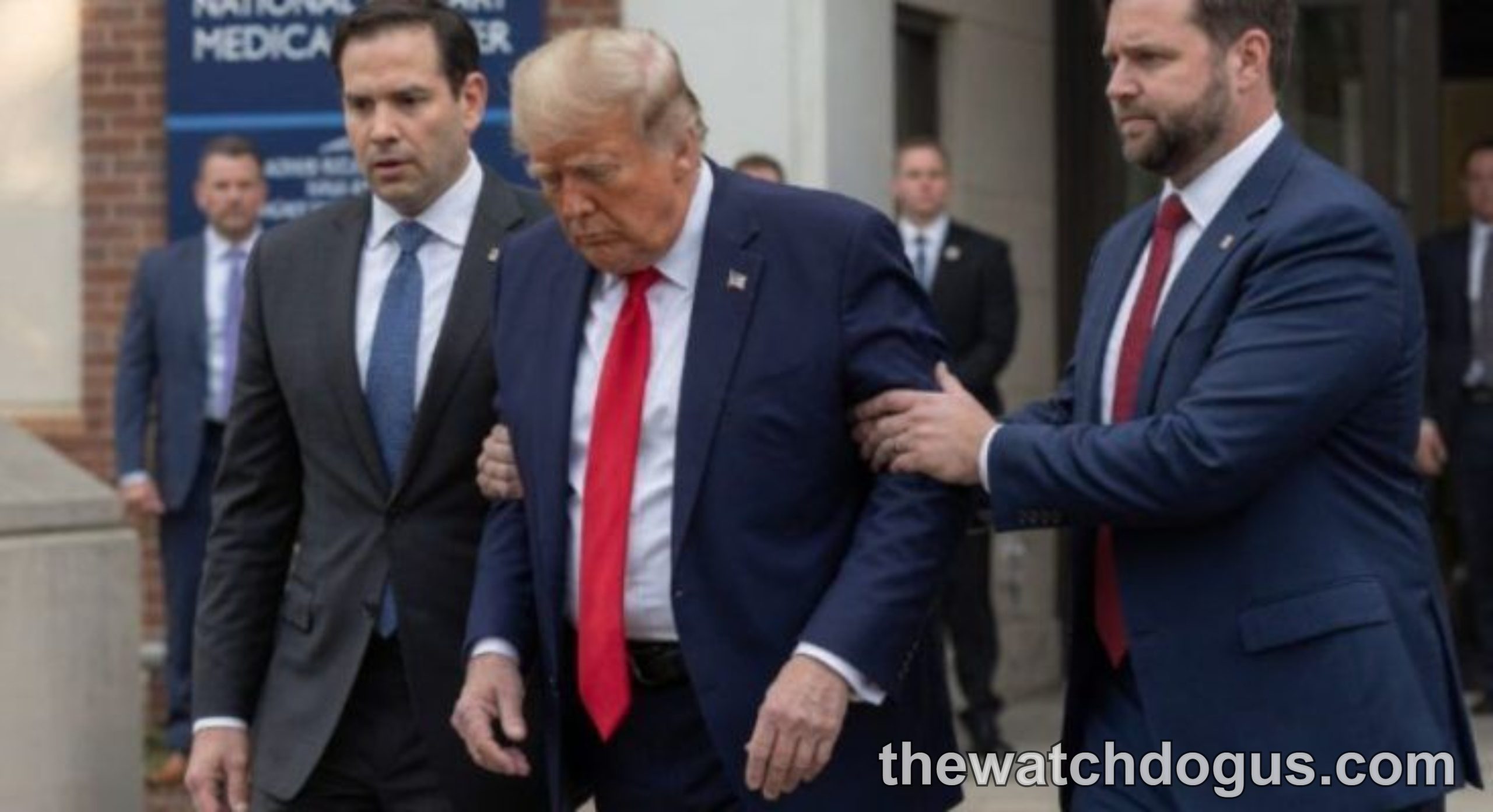
The situation began when social media users shared posts suggesting Trump had been admitted to Walter Reed National Military Medical Center, claims that spread quickly across platforms including X, Facebook and various online forums without supporting evidence. The speculation gained momentum as more users engaged with the topic, with some posts presenting unverified information as fact.
What Triggered the Speculation
The rumors appear to have originated from an announcement that Trump would not attend certain events scheduled for April 4, a deviation from his typically active public schedule. In the absence of detailed explanation, some observers began speculating about possible reasons for the cancellation. This information gap created an environment where assumptions could proliferate, ultimately leading to the spread of unverified health claims.
How Social Media Amplified the Claims
Algorithms designed to prioritize engaging content contributed significantly to the rapid dissemination of information across platforms. Posts suggesting a medical emergency involving Trump generated considerable attention and were reshared widely, increasing their visibility to broader audiences. This pattern demonstrates how unverified claims can achieve significant reach in a short time period in today’s digital environment.
Similar situations have occurred previously when rumors about public figures gained momentum online before being addressed by official sources, underscoring the speed at which information travels in the modern media landscape.
Official Response and Clarification
As speculation intensified, official representatives issued statements addressing the situation directly. According to these clarifications, reports suggesting hospitalization at Walter Reed National Military Medical Center were inaccurate, and Trump remained at his residence carrying out regular responsibilities. Officials emphasized that no medical emergency had occurred.
The response aimed to reassure the public and correct misinformation circulating online, with authorities providing clear statements to reduce the spread of unfounded claims.
Trump’s Previous Health Disclosures
Public interest in the health of prominent leaders has generated various updates over time regarding Trump’s medical status. At one point, disclosure indicated he had been diagnosed with chronic venous insufficiency, a condition involving improper functioning of vein valves in the legs that affects blood circulation. Medical professionals generally consider this condition relatively common among older adults and typically manageable through lifestyle adjustments and standard medical care.
No recent updates have indicated any significant change in his health status related to this condition.
Public Response and Online Behavior
Public reaction to the situation varied widely, with some individuals expressing genuine concern while others approached the claims with skepticism. Many users called for patience and urged others to wait for confirmed information before drawing conclusions. Fact-checking organizations and reputable news outlets worked to verify claims and provide accurate updates, reminding audiences of the importance of relying on credible sources.
Why Schedule Changes Draw Attention
Schedule changes involving high-profile individuals commonly generate significant interest, as public figures typically operate under tightly organized calendars. Any deviation can raise questions, particularly when not accompanied by immediate explanation. In Trump’s case, his reputation for an active public presence has led many to associate consistency with stability, making unexpected changes prompt speculation.
This phenomenon underscores the close relationship between public visibility and public curiosity, with more visible figures experiencing closer observation of their actions.
The Broader Misinformation Challenge
The incident highlights a wider issue affecting the digital age: the rapid spread of misinformation across platforms. While technology has made sharing information easier, it has simultaneously created challenges in ensuring accuracy, particularly when claims involve well-known individuals or emotionally charged topics. Once false or misleading claims begin circulating, correcting them proves difficult even after official clarifications.
Media literacy-understanding how information is created, shared and consumed-has become increasingly important for navigating the complex information landscape.
Media Responsibility and Public Trust
Traditional media outlets play a crucial role in situations like this by verifying information before publication and clearly distinguishing between confirmed facts and speculation. Maintaining public trust depends on accuracy and transparency, with many established outlets choosing to wait for official confirmation before reporting on the rumors in this instance.
Key Takeaways
The incident demonstrates that information spreads quickly through social media regardless of accuracy, making verification from credible sources essential for preventing misunderstandings. Public figures face intense scrutiny where even minor changes can lead to widespread speculation, while prompt responses from official sources effectively address rumors. These insights remain relevant for understanding how information flows in the modern world beyond this specific case.
At present, no confirmed evidence supports claims that Trump was hospitalized, with official statements indicating he continues regular activities without interruption. The situation appears driven largely by speculation rather than verified facts.
This story has been updated. CNN’s Digital Team contributed to this report.