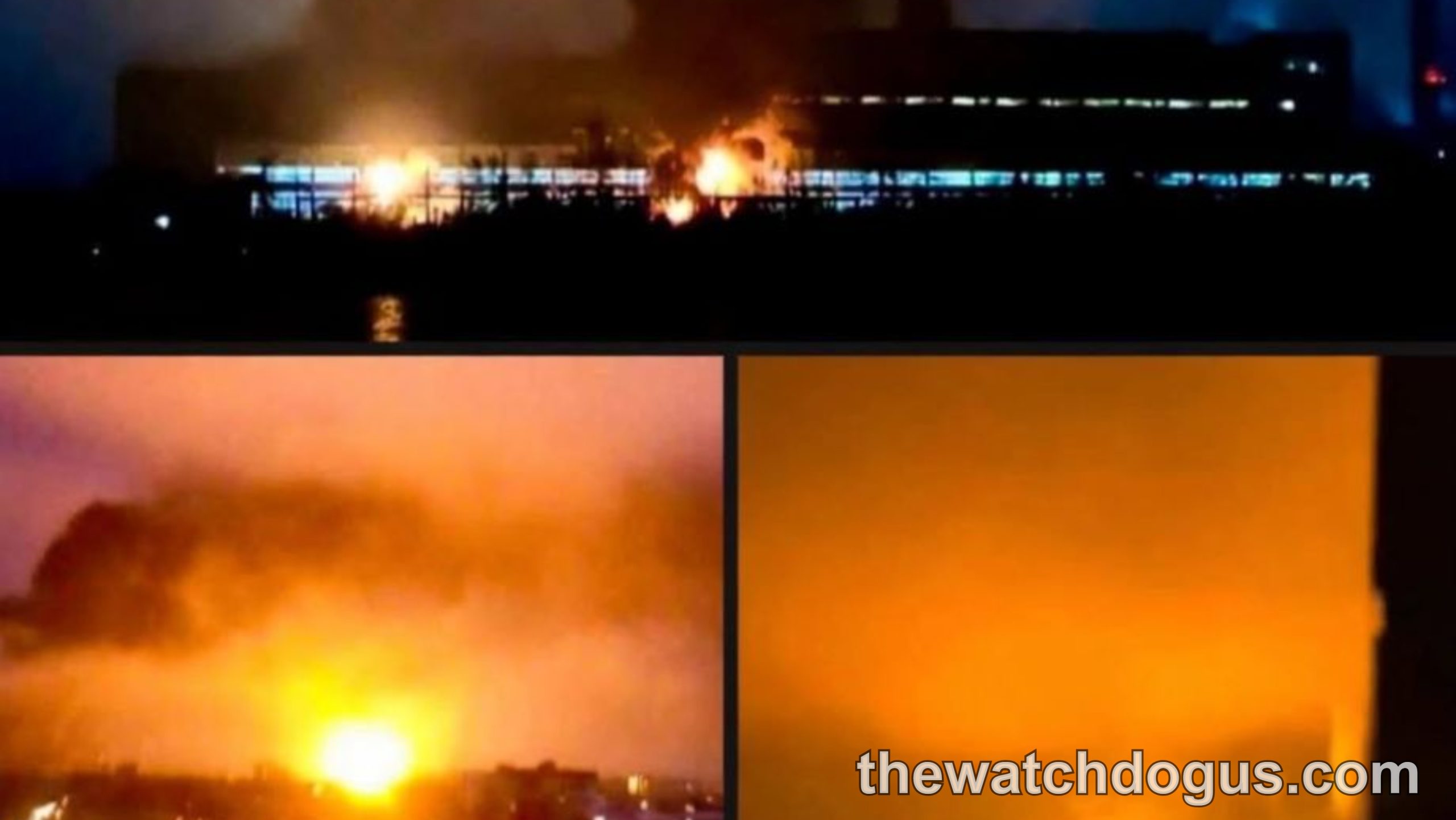
Escalating geopolitical tensions across Europe, the Middle East, and the Indo-Pacific have sparked increased debate about whether the world faces heightened risks of wider conflict.
Rising military capabilities, political miscalculations, and strained alliances have intensified uncertainty among policymakers and security analysts worldwide. Multiple regions simultaneously grapple with security challenges that could have cascading effects on global stability.
Russia and NATO’s Eastern Border
The Russia-Ukraine conflict has dominated European security concerns for more than two years, with Russian forces continuing limited territorial advances. Long-range drone strikes into Ukrainian territory have become frequent, prompting increased monitoring by NATO members.
Airspace violations near NATO borders have drawn heightened attention from European governments, though direct military confrontation has not occurred. These incidents underscore the potential for misinterpretation during high-tension periods, according to security experts.
NATO members along the eastern frontier-including Estonia, Latvia, Lithuania, Poland, and Finland-have begun reassessing national defense strategies. Several countries are redeveloping natural defensive barriers along the Baltic region as part of long-term security planning efforts.
Russia’s development of advanced missile systems remains under scrutiny by independent analysts, who note these weapons could extend Moscow’s ability to project military power. Most European policymakers argue that a deliberate full-scale NATO invasion remains unlikely, though limited provocations could test alliance unity.
Middle East Instability and Regional Dynamics
The Middle East continues to face significant obstacles in stabilization efforts, with ceasefires and negotiations producing only intermittent pauses in fighting. Underlying tensions between Israel, Palestinian factions, and regional powers persist despite international diplomatic engagement.
The Israel-Iran dynamic represents one of the most closely monitored relationships in global security discussions. Earlier in the year, exchanges of military strikes raised concerns about broader confrontation between the two nations.
Iran’s nuclear enrichment program remains a central focus of international organizations, which continue monitoring stockpile levels and capacity developments. Regional alliances are shifting, with several non-state groups experiencing reduced influence due to local political developments.
The United States maintains active diplomatic channels aimed at preventing regional escalation that could draw in multiple global powers. Despite intermittent tension spikes, regional specialists note that broader interests favor maintaining stability over pursuing escalation.
Looking Ahead
Most security scholars emphasize that deliberate escalation remains unlikely despite elevated tensions, though the risk of miscalculation during crisis moments has increased. Diplomatic coordination among major powers continues as a key priority for managing global security risks.
This story has been updated. CNN’s International Desk contributed to this report.