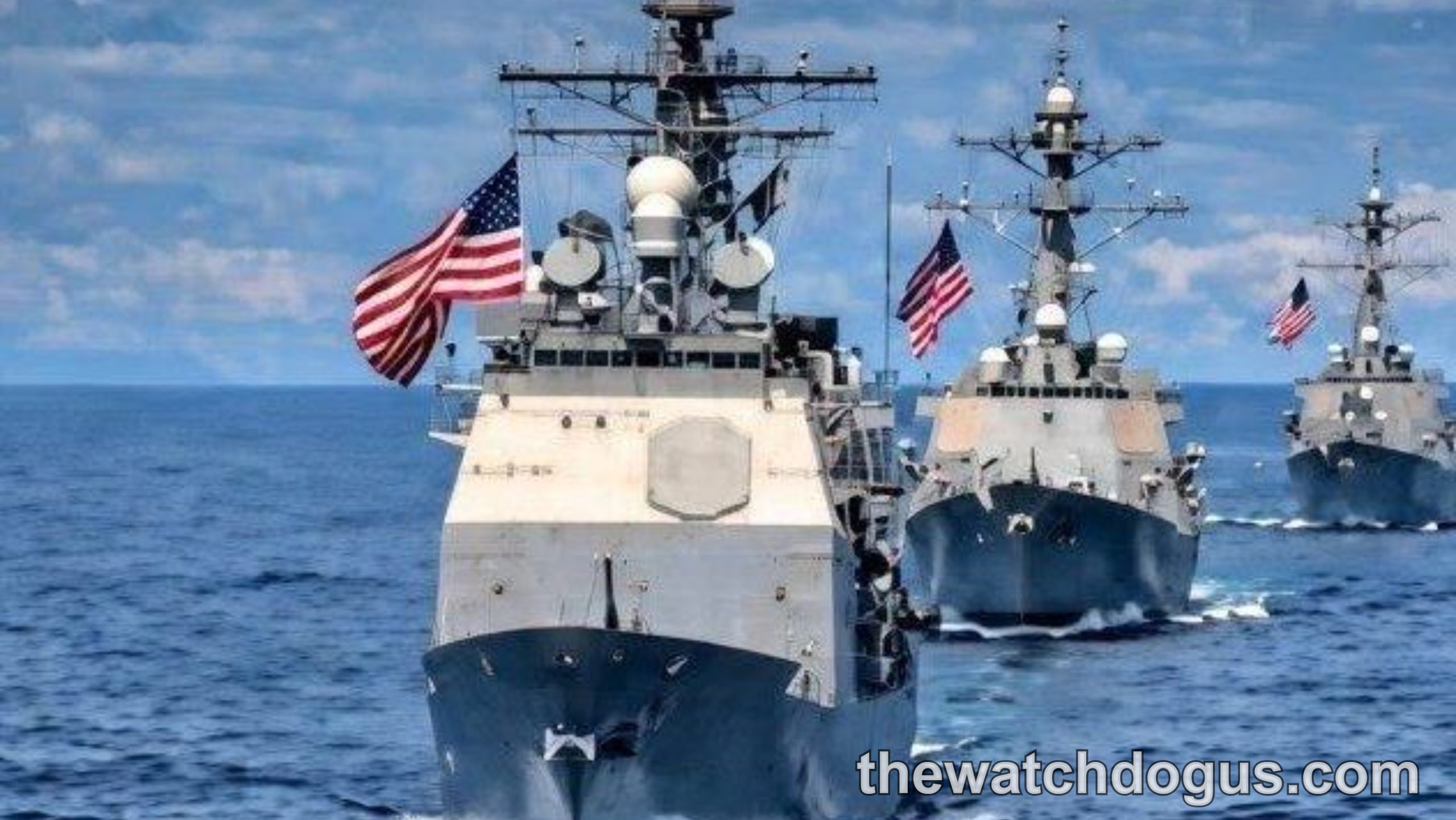
The United States and Israel launched coordinated military strikes against Iran in late February 2026, marking a dramatic escalation in Middle Eastern tensions into open warfare.
The strikes targeted military installations, command posts, and air defense systems across Iranian cities including Tehran, Isfahan, and Qom. Iran’s Supreme Leader Ayatollah Ali Khamenei was reportedly killed in the operation, which the U.S. military designated Operation Epic Fury.
Both nations justified the strikes as pre-emptive measures against Iran’s missile and drone programs, citing threats to regional allies and the need to deter future attacks.
How the Conflict Escalated
Tensions between Iran, Israel, and the United States have built over decades through proxy conflicts, sanctions, and periodic military clashes. Recent years saw repeated exchanges of missiles and drones between Israel and Iran, along with attacks on commercial shipping in the Red Sea by Iranian-aligned Houthi forces.
The joint U.S.-Israeli operation on February 28 deployed long-range bombers, Tomahawk cruise missiles, and precision strike systems. Aircraft launched from carriers including the USS Abraham Lincoln provided air support throughout the campaign.
Iran’s Response and Regional Spread
Iran has retaliated with waves of ballistic missiles and unmanned aerial vehicles targeting U.S. military bases in Kuwait, Bahrain, Saudi Arabia, Qatar, and the United Arab Emirates. While allied air defenses have intercepted many strikes, some missiles and drones have reached their targets, causing casualties and infrastructure damage.
The conflict has expanded beyond air campaigns, with U.S. forces now engaged against Iranian-aligned militias in Iraq and Hezbollah launching attacks into northern Israel from Lebanon.
American forces have suffered combat casualties from Iranian missile and drone strikes, particularly at bases in Kuwait and Saudi Arabia. President Trump has held formal ceremonies honoring fallen service members while reinforcing the administration’s strategic objectives.
Global Economic and Diplomatic Impact
Oil prices surged past $100 per barrel as markets reacted to fears of supply disruption through the Strait of Hormuz, a critical global trade route. Financial markets experienced volatility amid heightened geopolitical risk and energy uncertainty.
International reactions have been mixed. The European Union struggled to formulate a unified response, while the United Nations condemned unlawful attacks and called for immediate diplomatic intervention. China and other major powers urged ceasefire negotiations, warning of broader geopolitical instability.
Humanitarian Toll and Strategic Goals
Thousands of civilians have been killed or wounded in Iranian cities from sustained airstrikes on urban centers. Missile and drone strikes against Gulf infrastructure have caused displacement and societal disruption across the region.
Trump and U.S. military leaders have stated their aim is to degrade Iran’s missile and drone capabilities and dismantle its regional military infrastructure. Trump referenced Iran’s “unconditional surrender,” though the exact terms remain diplomatically contested.
Whether the conflict remains an air and missile war or expands into wider ground operations remains uncertain. Trump has not ruled out further troop deployments but indicated ground invasion is not an immediate priority.
What Comes Next
The conflict has already reshaped Middle Eastern geopolitics and disrupted global energy markets while producing significant humanitarian suffering. The international community faces urgent questions about preventing further escalation and pursuing diplomatic solutions.
In the U.S., public opinion remains deeply divided over the legitimacy of the strikes and whether Congress should have authorized military action before the operation commenced.
This story has been updated. CNN’s staff contributed to this report.