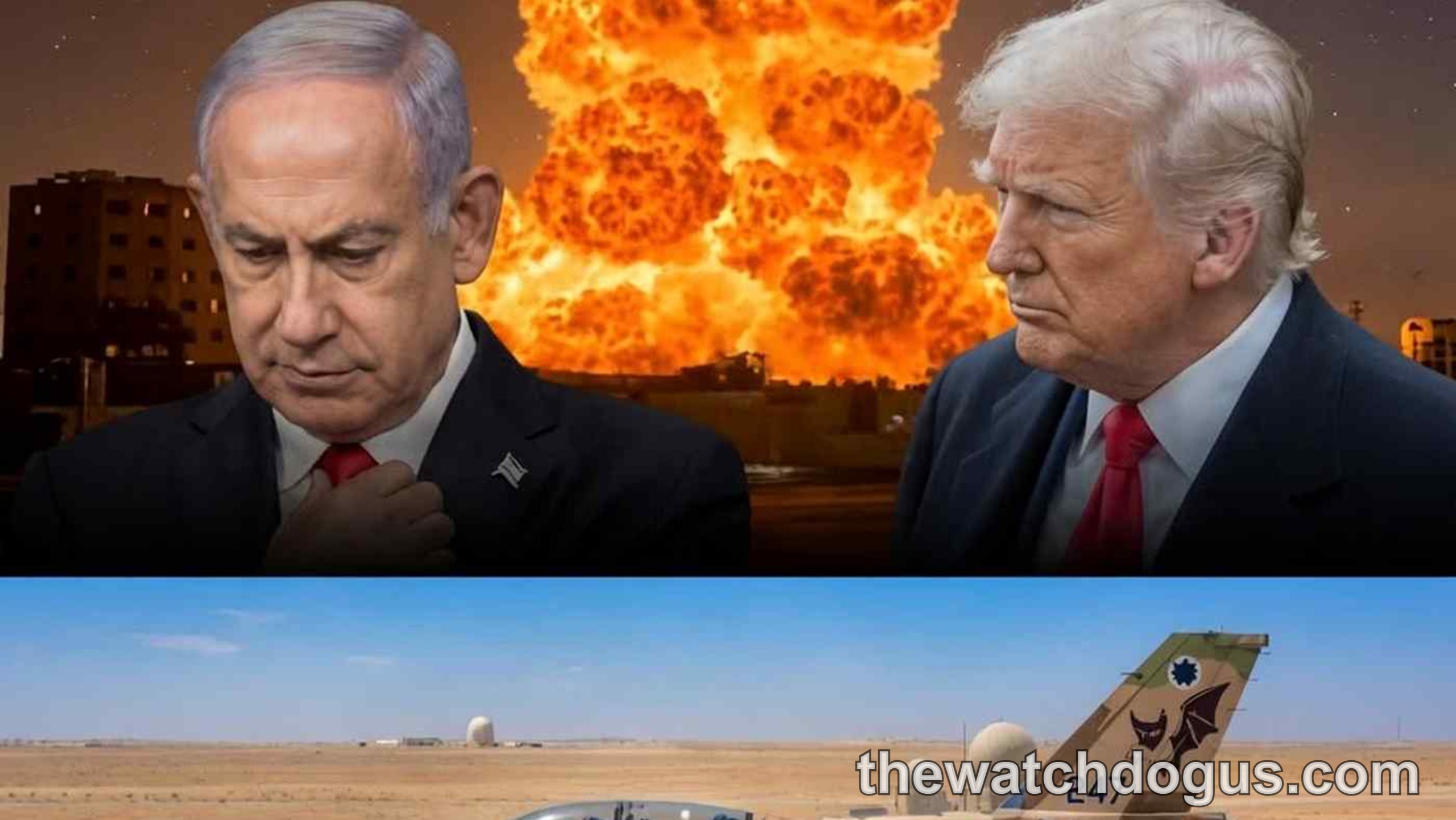
Iran launched missile strikes against Israel using cluster munitions, marking a significant escalation in direct military confrontation between the two nations.
Iranian officials characterized the attacks as retaliation for the assassination of a senior security official, which Tehran attributes to Israel. The strikes targeted areas including Tel Aviv and employed cluster munition warheads that disperse multiple submunitions across wide areas.
The Military Response
Israel’s Iron Dome and Arrow-3 defense systems intercepted the majority of incoming projectiles, according to reports. However, analysts noted increasing strain on these air defense capabilities due to the volume and tactics of the attacks.
The nature of these strikes represents a strategic shift from indirect proxy engagements to more direct military confrontations between Iran and Israel. The cluster munitions drew widespread international concern due to their potential to harm civilians indiscriminately and leave unexploded ordnance.
Regional Involvement Expands
The conflict has extended beyond Israeli-Iranian exchanges into broader regional engagement. In early 2026, Iranian forces and aligned groups launched attacks on U.S. military sites and partner installations across the Persian Gulf, including locations in Kuwait, Bahrain, the United Arab Emirates, and Saudi Arabia.
These attacks pulled the United States more directly into the conflict, leading to joint U.S.-Israeli operations against Iranian military and suspected nuclear-related targets. Civilian casualties, infrastructure damage, and displacement have been reported across multiple fronts.
Global Implications
Energy markets have experienced volatility amid concerns over potential disruptions to oil production and shipping through the Strait of Hormuz. Diplomatic initiatives to reduce violence have encountered setbacks as both sides signal readiness for further military action.
The international community now faces the prospect of a wider regional war as alliances solidify and the conflict risks drawing in additional actors. Observers have warned of severe humanitarian, economic, and geopolitical consequences extending beyond the Middle East if de-escalation efforts do not succeed.
This story has been updated. CNN’s International Desk contributed to this report.