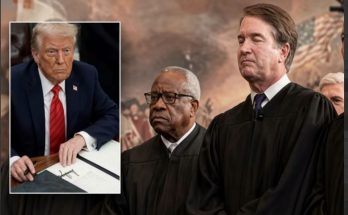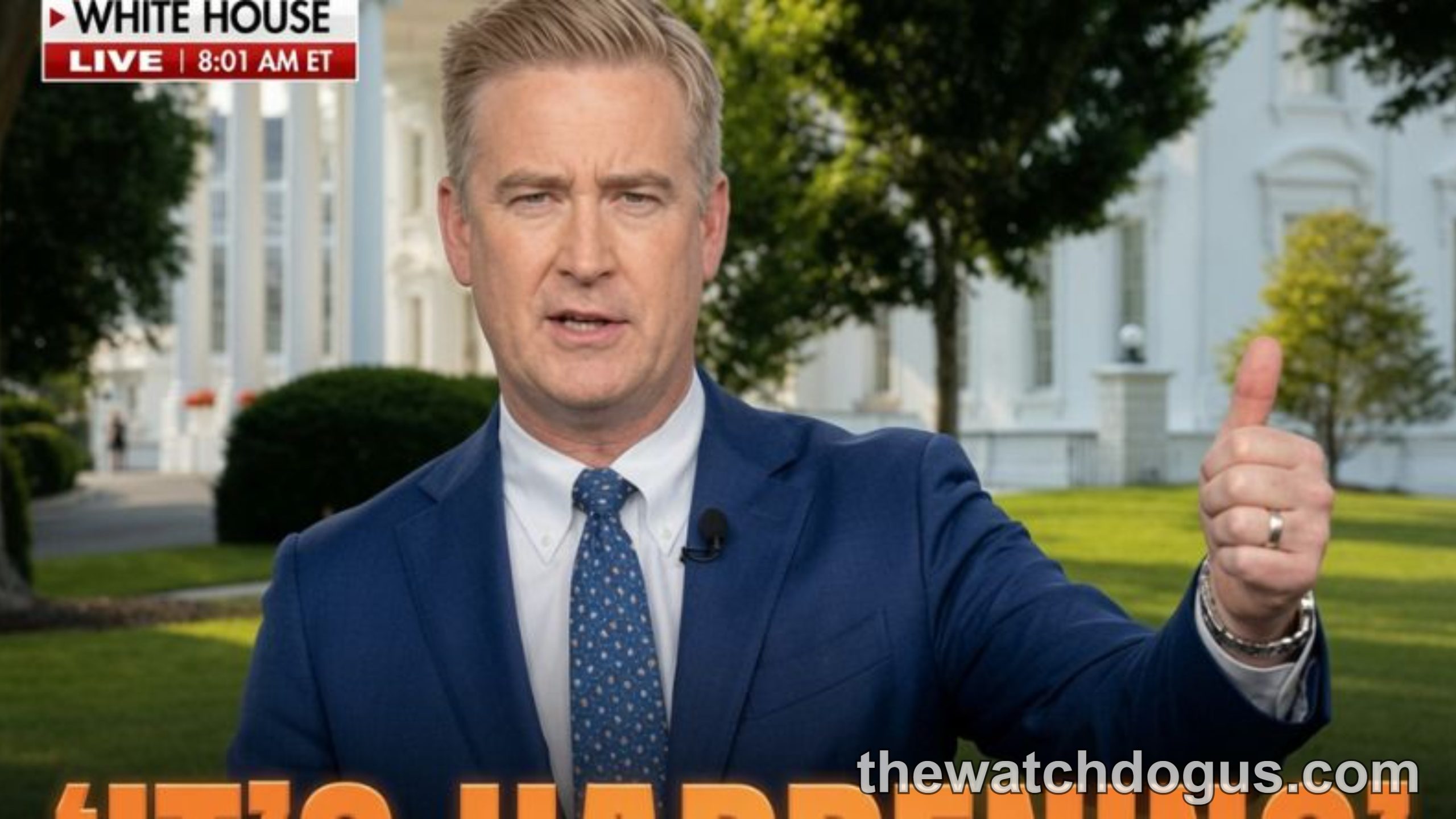
President Donald Trump told Fox News White House Correspondent Peter Doocy that intelligence officials did not anticipate Iran’s retaliatory strikes against Gulf nations following U.S. military operations.
Doocy questioned the president about attacks on Qatar, Saudi Arabia, the United Arab Emirates, Bahrain, and Kuwait that followed what officials called Operation Epic Fury. Trump said the targeting of these nations surprised even the most experienced analysts within the U.S. intelligence community.
Trump’s Assessment of Iran’s Strategy
Trump argued that Iran had intended to dominate the Middle East and eliminate Israel through nuclear weapons before the U.S. disabled their nuclear capability. “After we knocked out their nuclear potential, their nuclear potential weapon, they started building missiles, thousands and thousands of missiles,” Trump said.
The president credited his 2018 withdrawal from the Iran nuclear deal negotiated under President Barack Obama as critical to preventing catastrophe. “If I didn’t terminate Barack Hussein Obama’s Iran nuclear deal, you would right now – well, Israel would be gone,” he stated.
Military Operations and Damage Assessment
Trump detailed the scope of U.S. military strikes, claiming that American forces had destroyed the majority of Iranian missiles, drones, and production facilities. “We hit them so hard, like nobody’s ever been hit,” the president said.
The administration also claimed to have eliminated multiple levels of Iranian military leadership and destroyed Iran’s naval capabilities. Trump mentioned that U.S. forces had neutralized Iranian mine-laying vessels and drone systems positioned throughout the region.
Diplomatic Developments
Secretary of State Marco Rubio indicated on Friday that back-channel negotiations aimed at ending hostilities showed modest progress. “There’s been a little bit of movement, and that’s good,” Rubio said, while cautioning against excessive optimism about peace prospects.
Rubio identified a significant obstacle to negotiations: Iran’s demand to establish a toll system in the Strait of Hormuz, through which nearly one-fifth of global oil shipments pass. The secretary of state rejected the proposal as incompatible with diplomatic progress and warned that the negotiating window has limits.
This story has been updated. CNN’s International Desk contributed to this report.