A postmortem analysis of Kamala Harris’s presidential campaign loss reveals internal disagreements over strategy, messaging, and voter outreach, with allies and former staffers citing fundamental miscalculations about the political landscape.
Following Harris’s defeat to Donald Trump, divisions quickly emerged within her circle over what went wrong. Former campaign insiders and Democratic allies offered competing explanations for the loss, with some pointing to timing while others traced problems to deeper strategic failures.
What the Campaign Missed
Several former staffers argued the campaign misread voters and voter priorities from the outset. According to insiders, the team assumed strong support without adequately verifying backing in key demographics.
The campaign treated Harris’s candidacy as a continuation of an existing coalition rather than adjusting strategy for a new race. As momentum shifted, internal blame intensified, with staffers acknowledging that optimism outweighed data analysis in critical regions.
Insiders said the team never fully grasped the concerns of critical voter groups, creating blind spots that persisted throughout the general election phase.
Willie Brown’s Assessment
Former San Francisco Mayor Willie Brown offered direct criticism of the campaign’s approach. “They didn’t question assumptions,” Brown said, arguing the campaign ignored lessons from past Democratic losses.
Brown referenced Hillary Clinton’s 2016 defeat and said Harris’s team repeated similar mistakes by failing to ask difficult questions about their assumptions. His comments reflected frustration with what he described as a pattern of overlooked warning signs.
Messaging and Identity Problems
The Harris campaign attempted to appeal to multiple groups simultaneously, an approach that diluted its core message. Voters remained unclear about her central position on key issues.
Strategists spent considerable time defending President Joe Biden’s record, which limited efforts to define Harris independently. This created confusion about whether she represented continuity or represented change.
Meanwhile, Trump’s campaign maintained consistent, targeted messaging throughout the race. His rallies drew strong turnout while his campaign framed Harris as inexperienced and disconnected from voters.
The Final Stretch
In the closing weeks, internal concerns about the campaign’s strategy intensified. Some staffers described the approach as improvised, with key states receiving limited attention.
Outreach to rural and Latino voters came late in the race, while young voter support declined. Local concerns were overshadowed by national messaging, and by the time adjustments occurred, the opportunity to recover had closed.
Trump’s base remained energized throughout the campaign, contrasting sharply with Harris’s declining momentum in the final stretch.
The Aftermath
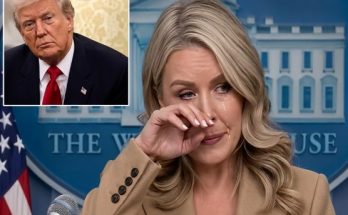
Reports indicated Harris had a deeply personal reaction on election night, with observers noting her emotional response as results came in. The loss carried both political and symbolic weight for supporters across the country.
Internal reflection continued behind the scenes, with Democratic figures emphasizing the need for greater realism in future campaigns.
This story has been updated. CNN’s political team contributed to this report.