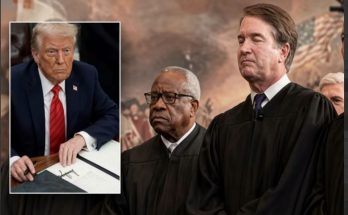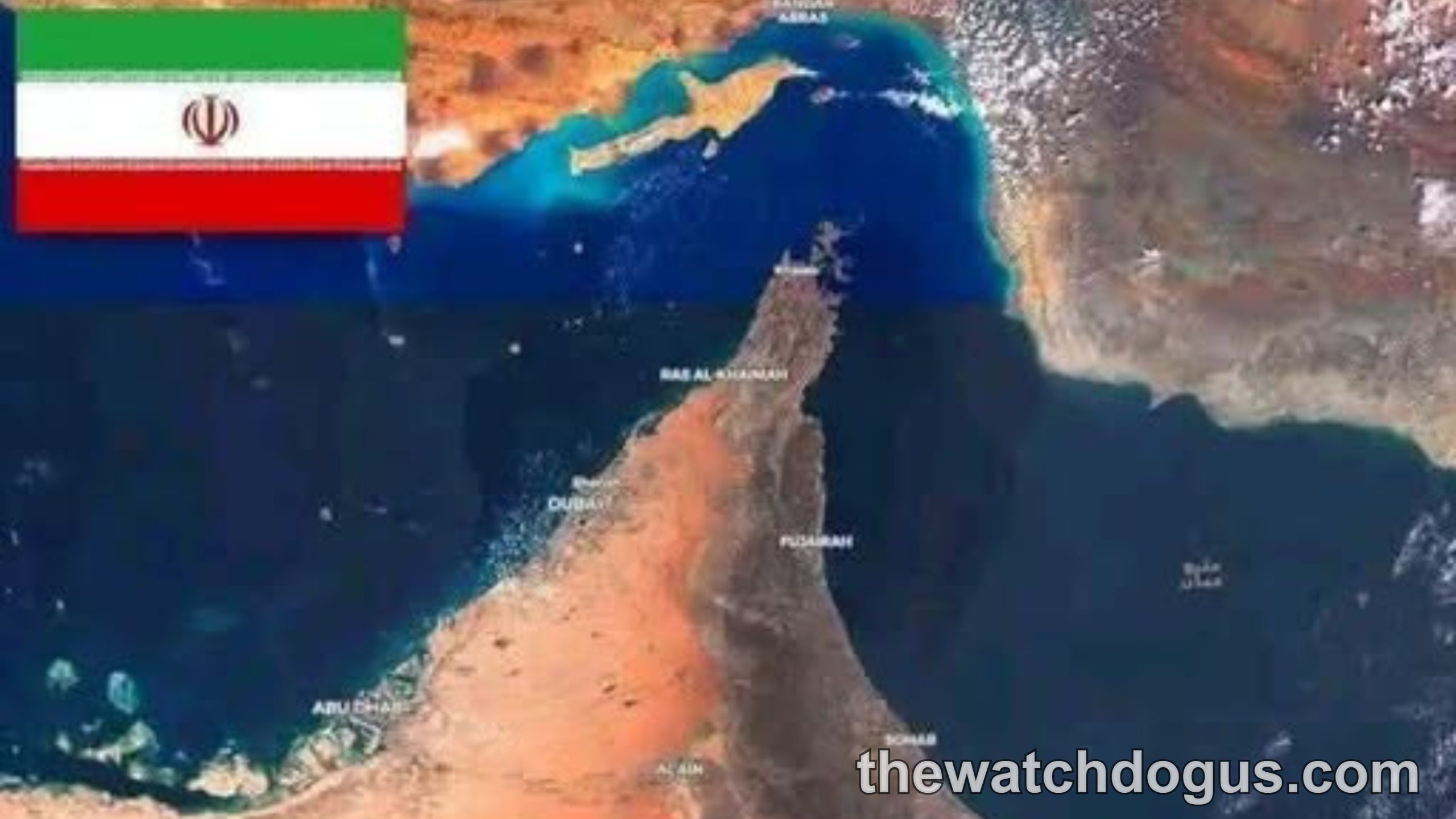
President Donald Trump said he is heading to the White House Situation Room to make a final decision on a ceasefire extension agreement with Iran that would reopen the Strait of Hormuz.
White House officials confirmed yesterday that U.S. and Iran negotiators had reached a memorandum of understanding, but Trump has not yet given final approval. The agreement would extend the current ceasefire for 60 additional days while both sides continue nuclear negotiations.
What Trump Is Demanding
Trump outlined his conditions for the deal in a Truth Social post, stating that Iran must agree to never develop nuclear weapons and that the Strait of Hormuz must remain open to unrestricted shipping traffic in both directions with no tolls.
“Iran will complete the immediate removal and/or detonation of any mines that are left, which will not be many,” Trump wrote, referencing water mines reportedly placed in the strategic waterway.
The president also said that sanctions relief payments to Iran would not be exchanged “until further notice,” despite that being part of the original agreement terms.
Status of Iran’s Acceptance
Iran has not publicly confirmed it has accepted Trump’s demands, and Israel has indicated that Iran’s Supreme Leader Mojtaba Khamenei has not yet signed off on the memorandum of understanding.
The agreement stipulates that both sides will hold additional negotiations during the 60-day extension focused on Iran’s nuclear program, including its stockpiles of highly enriched uranium.
Background on the Conflict
The broader dispute began in late February following joint U.S.-Israeli military operations targeting senior Iranian leadership and military infrastructure, escalating tensions across the Middle East.
The ceasefire extension suggests both sides currently view continued negotiations as more valuable than returning to open military conflict, despite ongoing disagreements over Iran’s nuclear activities.
This story has been updated. CNN’s international affairs team contributed to this report.