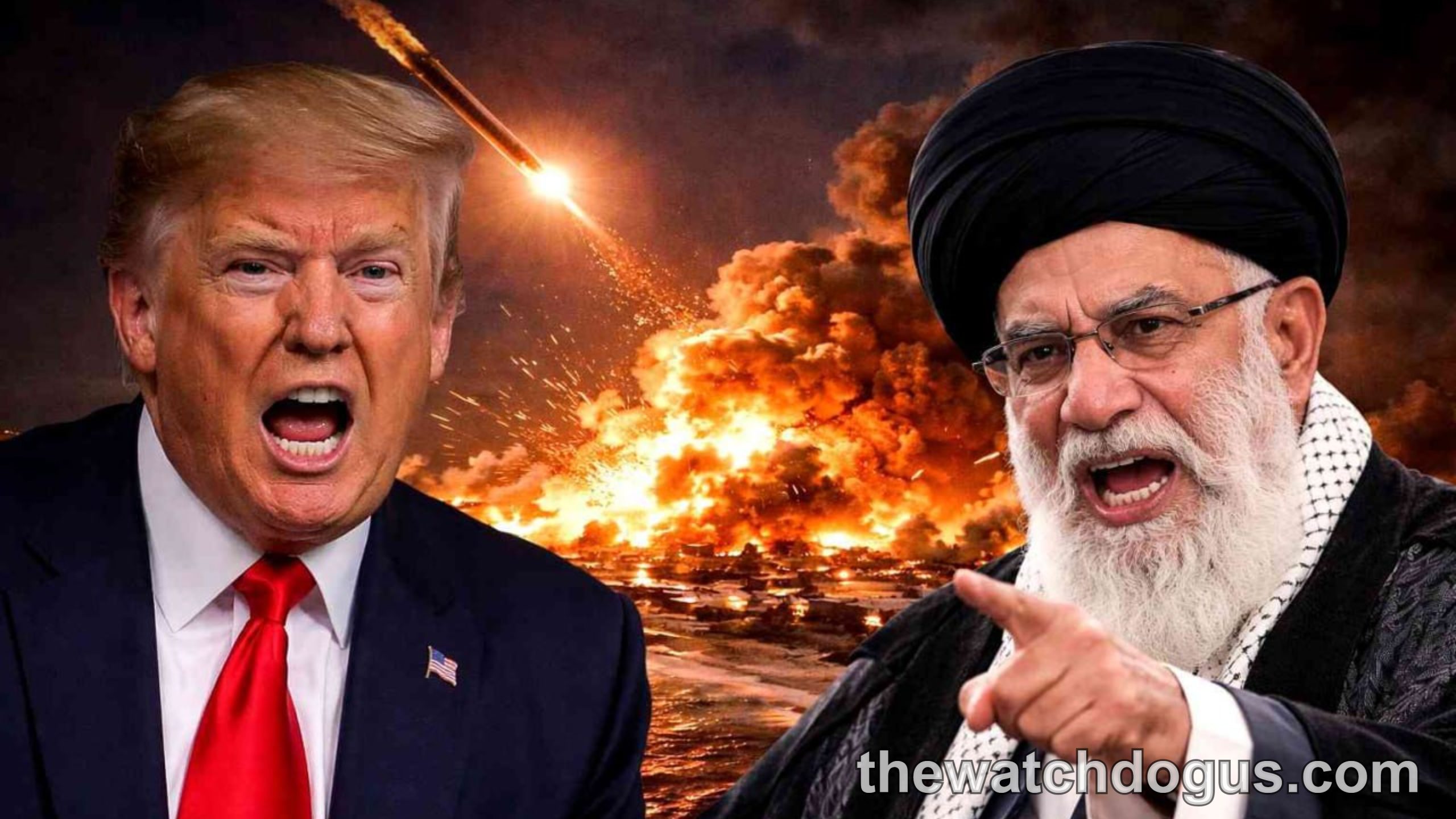
A U.S. aircraft carrier transit through the Strait of Hormuz turned into an exchange of anti-ship missiles and American countermeasures on March 1, 2026, with no vessels reportedly struck but tensions escalating sharply in a critical global waterway.
The incident unfolded over minutes as Iranian forces launched anti-ship missiles toward the carrier, prompting swift U.S. air defense responses and retaliatory strikes on suspected Iranian launch sites. The exchange tested decades-old protocols governing military movements through one of the world’s most strategically vital shipping lanes.
What Happened
U.S. Navy forces detected incoming anti-ship missiles originating from the Iranian coastline during routine patrol operations. American air defense systems engaged the incoming threats while electronic warfare assets worked to jam hostile radar guidance systems.
U.S. military assets responded with counterstrikes targeting suspected Iranian missile batteries and radar installations. Defense officials confirmed no American vessels sustained damage in the exchange.
The Strategic Implications
The incident marked an unusually direct military confrontation in a region where tensions have simmered for years but direct fire exchanges remain rare. The Strait of Hormuz handles roughly one-third of global maritime oil trade, making any disruption a concern for international energy markets.
Military analysts warned the episode demonstrated how quickly miscalculation could escalate tensions between the two nations. The narrow margin between warning shots and sustained conflict became starkly visible during the 32-minute sequence of events.
What Comes Next
Defense officials from both nations have not released detailed public statements about the encounter. The incident will likely prompt diplomatic channels to activate and military commanders to review engagement protocols.
The exchange raises questions about whether similar confrontations could occur as the U.S. maintains its naval presence in the Persian Gulf and surrounding waters. Regional stability now depends on whether both sides treat the incident as a warning or a precedent for escalation.
This story has been updated. CNN’s international affairs team contributed to this report.