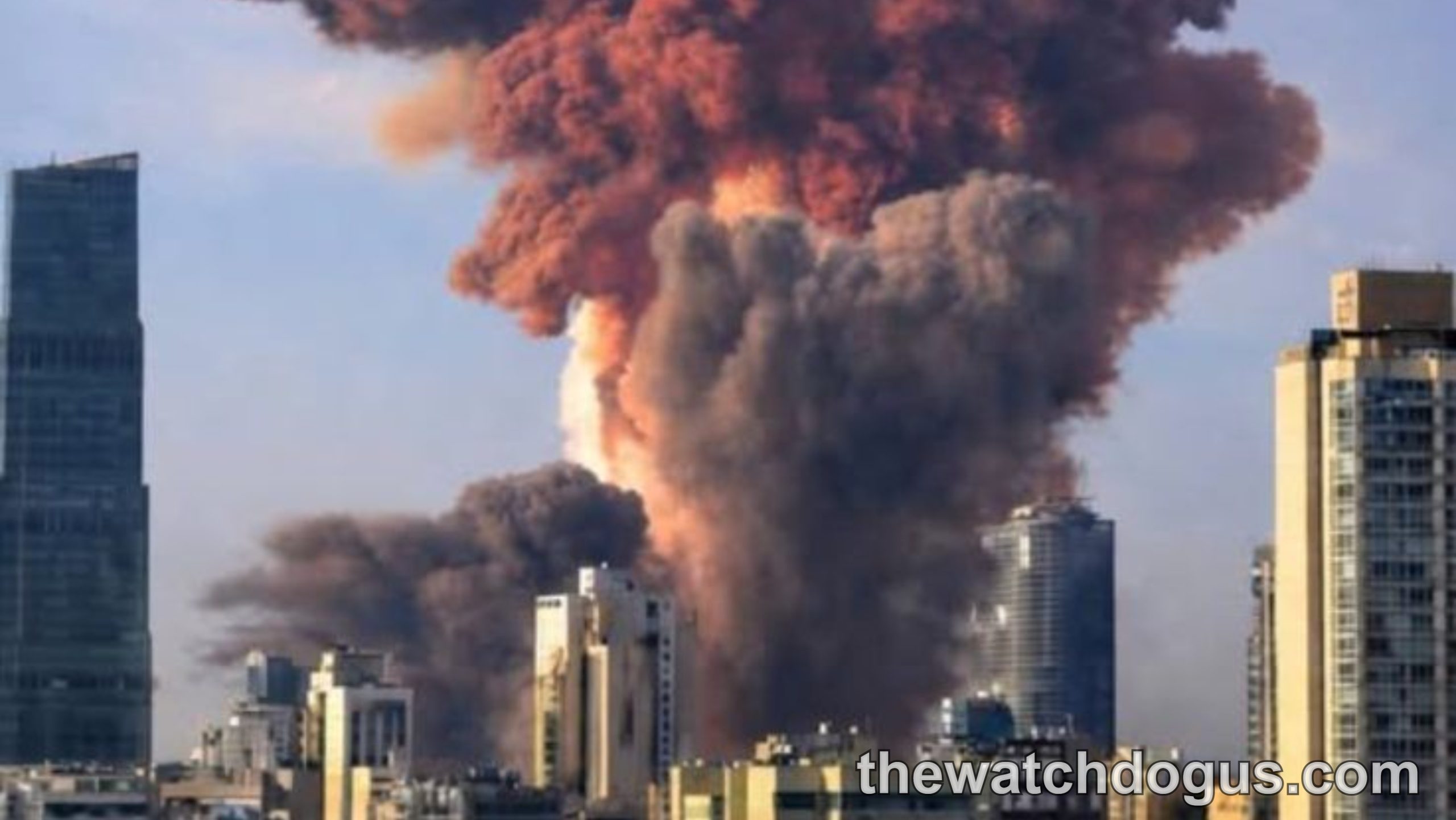
Israel launched a sweeping military offensive against Iran starting February 28, marking the most significant Israeli military campaign since the nation’s founding.
The operation came after months of intelligence gathering and strategic planning by Israeli and American forces. Israeli officials had long viewed a nuclear-capable Iran as an existential threat, employing diplomacy, covert strikes, and cyber operations over two decades to counter what they saw as a destabilizing regional development.
What Led to the Offensive
By late 2025, Israeli military intelligence assessed that Iran was approaching nuclear capability at an accelerating pace. A popular uprising in Iran in January 2026, followed by violent government suppression, created what Israeli planners viewed as a rare strategic window.
Prime Minister Benjamin Netanyahu informed U.S. President Donald Trump on February 23 about the location and timing of a high-level Iranian leadership meeting, according to reports. Intelligence indicated the gathering would include Supreme Leader Ali Khamenei, and both governments authorized a coordinated response.
The Military Campaign
The February 28 operation, known in U.S. military channels as Operation Epic Fury, involved synchronized airstrikes across northern Iran. The initial wave targeted missile storage facilities, air defense systems, command centers, and leadership compounds.
Iran confirmed Khamenei’s death on March 1, marking a significant shift in the nation’s leadership. Khamenei had served as Supreme Leader since 1989.
Israel intensified operations in the following days, striking military and civilian infrastructure nationwide. Airstrikes hit oil storage depots in Tehran, including the Aghdasieh and Shahran facilities, with fires burning for extended periods.
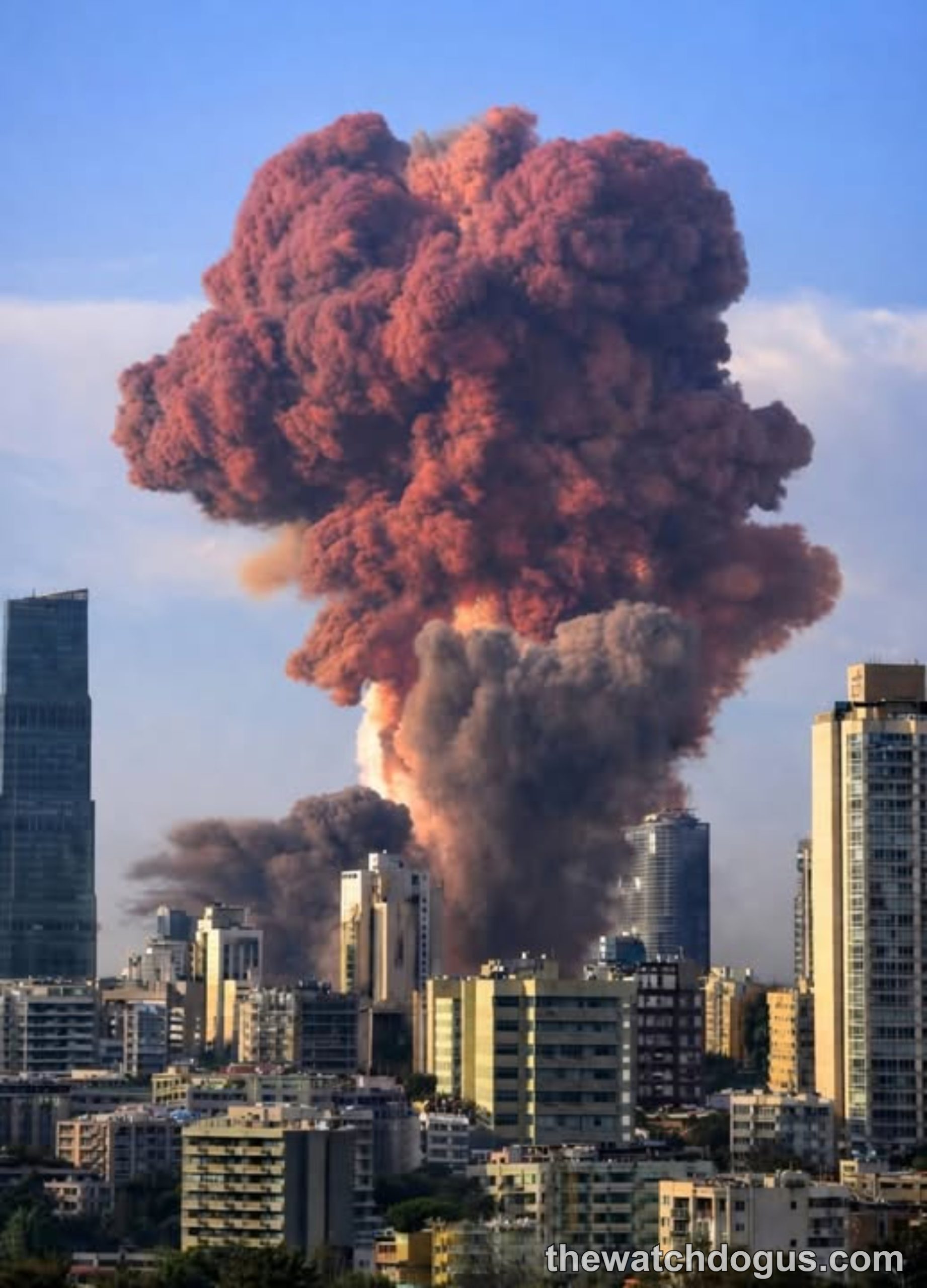
Independent monitoring documented over 2,300 strikes across at least 29 of Iran’s 31 provinces. Key energy infrastructure including the South Pars gas field and Kharg Island facilities sustained damage, contributing to global oil and gas price increases.
Israel targeted the Natanz enrichment complex, a centerpiece of Iran’s nuclear program. Iran responded with missile strikes near Dimona, home to Israel’s nuclear research facilities, raising escalation concerns between the two nuclear-capable nations.
Regional and Global Impact
The campaign transformed the Middle Eastern geopolitical landscape within its first weeks. Retaliatory strikes on neighboring Gulf states followed Iran’s response, and global energy markets experienced significant volatility.
Iranian officials expressed concern about systematic dismantling of state institutions and feared additional targeted operations against remaining leadership. Environmental damage from oil facility strikes prompted warnings about soil contamination, respiratory hazards, and acid rain.
The operation underscored the persistent strategic tensions between Israel and Iran, tensions that have shaped Middle Eastern security calculations for decades.
This story has been updated. CNN’s International Desk contributed to this report.