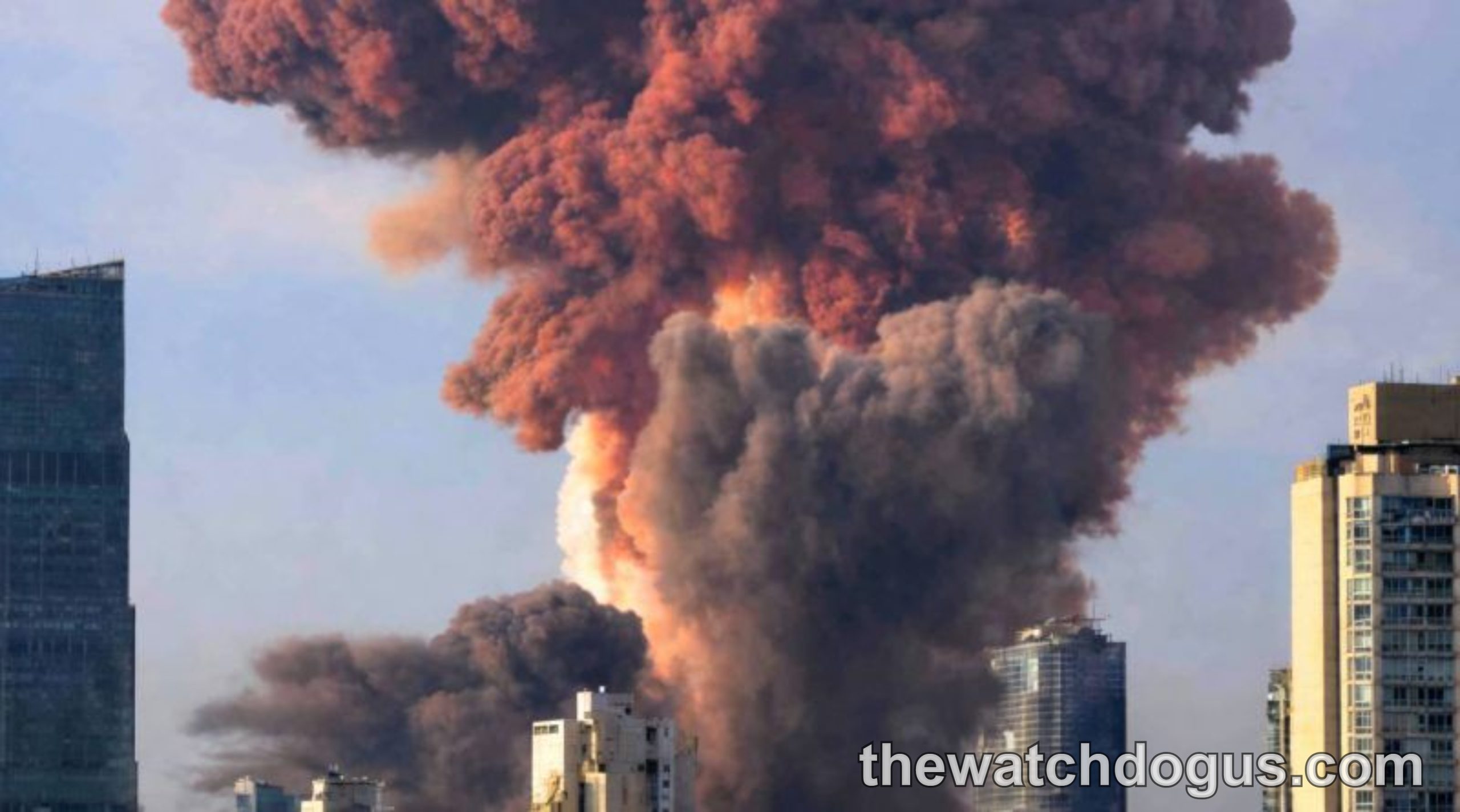
Israel and the United States launched a coordinated military offensive against Iran on February 28, 2026, following months of intelligence gathering and planning, striking dozens of targets across the country including military facilities, energy infrastructure, and nuclear sites.
The operation, designated Operation Epic Fury by U.S. military channels, followed years of escalating tensions over Iran’s nuclear program. Israeli military intelligence had assessed that Iran was progressing toward nuclear capability by late 2025, prompting military planners to view a domestic uprising in Iran the following month as a strategic window to act.
Prime Minister Benjamin Netanyahu informed U.S. President Donald Trump on February 23 of the timing and location of a high-level Iranian leadership meeting, according to reports. Intelligence agencies had identified Supreme Leader Ali Khamenei and other senior officials at a specific location, providing what planners considered an actionable opportunity.
What Happened
The initial wave of strikes on the night of February 28 targeted military installations across northern Iran, including missile storage facilities, air defense systems, and command centers. Iran confirmed that Supreme Leader Khamenei was killed in the operation on March 1.
Khamenei, who had led Iran since 1989, had been a central figure in the Islamic Republic for decades. His death marked a significant development in the conflict, with survivors within Iran’s leadership reportedly fearing additional targeted operations.
In the days following the initial strikes, Israel expanded operations nationwide. Independent monitoring documented over 2,300 strikes across at least 29 of Iran’s 31 provinces, targeting both military and civilian infrastructure.
Scope of Operations
Oil storage facilities in Tehran, including the Aghdasieh and Shahran depots and the Tehran refinery, sustained significant damage. Iran’s Deputy Health Minister warned of environmental consequences, including soil contamination and respiratory hazards from fires that burned for days.
Israel also targeted critical energy infrastructure, striking the South Pars gas field and facilities on Kharg Island. These attacks contributed to sharp increases in global oil and gas prices and prompted Iranian retaliatory strikes on neighboring Gulf states.
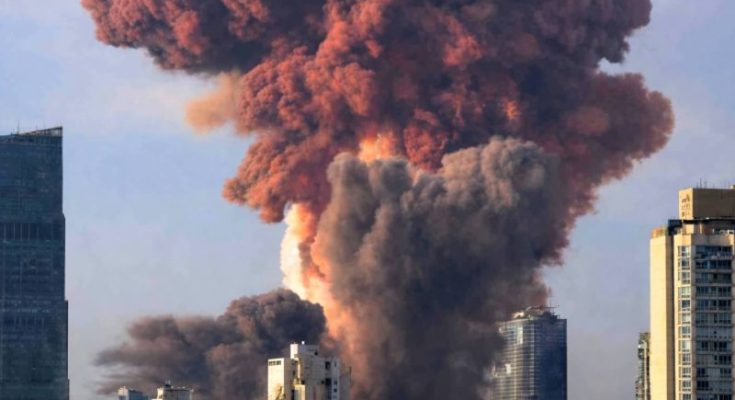
The Natanz nuclear enrichment complex, central to Iran’s nuclear program, sustained direct strikes. Iran responded with missile attacks near Dimona, the location of Israel’s nuclear research facility, raising concerns about escalation between nuclear-armed adversaries.
Strategic Context
The operation represented the culmination of intelligence work dating back to a June 2025 conflict in which Israeli and U.S. forces had previously targeted Iran’s nuclear infrastructure. That twelve-day campaign had degraded Iran’s capabilities, but monitoring showed continued efforts to rebuild missile systems and stockpile enriched uranium.
Israeli officials stated the campaign aimed to establish air superiority and degrade Iran’s capacity to conduct aerial operations. The coordinated U.S. involvement signaled alignment between the Netanyahu and Trump administrations on Iran policy.
The January 2026 domestic uprising in Iran, which authorities violently suppressed, created what Israeli planners viewed as a rare opportunity when Iran faced simultaneous internal and external pressure. Regional influence of the Iranian government appeared temporarily diminished during this period.
International Implications
The operation sent shockwaves through the Middle East and the international community. Regional allies of Iran faced pressure from retaliatory strikes, while global energy markets responded to disruptions in Iranian oil and gas supplies.
The targeting of Iran’s leadership represented an escalation in the conflict’s scope and intensity. Questions remained about Iran’s command structure and decision-making capabilities following the loss of its Supreme Leader.
This story has been updated. CNN’s reporting team contributed to this report.