Federal prosecutors moved to dismiss the election interference case against former President Donald Trump following his 2024 election victory, citing longstanding Justice Department policy against prosecuting a sitting president.
Special Counsel Jack Smith’s office filed the dismissal in November 2024, ending a case that had dominated political discourse for over a year. The original indictment, filed in August 2023, contained four counts related to Trump’s efforts to challenge the 2020 election results.
What the Case Alleged
Prosecutors accused Trump of orchestrating a coordinated strategy to overturn the 2020 presidential election results and disrupt the peaceful transfer of power. The allegations included spreading false claims of widespread voter fraud, promoting alternate elector slates in battleground states, pressuring state officials, and attempting to obstruct congressional certification of electoral votes on January 6, 2021.
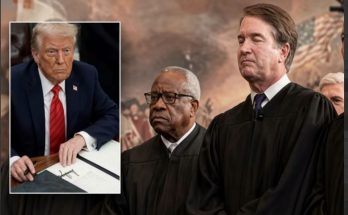
The original charges were conspiracy to defraud the United States, conspiracy to obstruct an official proceeding, obstruction of an official proceeding, and conspiracy against rights. A superseding indictment was later adjusted to account for the Supreme Court’s 2024 ruling on presidential immunity for official acts.
The Defense Position
Trump’s legal team rejected the accusations as a politically motivated prosecution, arguing the former president was exercising First Amendment rights to advocate for election integrity. Lawyers characterized the case as part of a broader