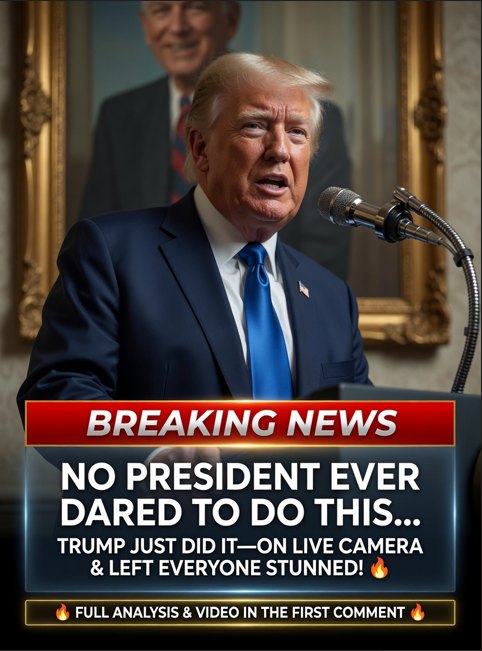
Donald Trump declared that the press “is going to change,” a statement that sparked immediate concern among journalists about potential restrictions on media freedom and press access.
The remark, made during a public appearance, drew sharp attention from reporters in the room who recognized the statement as more than typical criticism of news coverage. Trump’s comment touched on longstanding tensions between political leaders and the press over editorial independence and government influence.
What Happened
Trump’s declaration that the press “is going to change” came during an exchange with journalists. The statement prompted immediate reactions from news organizations and press freedom advocates who viewed it as suggesting potential government action against media institutions.
The comment arrived against a backdrop of escalating criticism aimed at news coverage from political figures. Such rhetoric has intensified debates over the role of journalism in democratic systems and the appropriate boundaries between government and press operations.
Press Freedom Concerns
Democratic systems depend on the tension between journalists and political leaders. Reporters investigate institutions, question authority, and publish information that officials frequently oppose-a dynamic considered essential to preventing unchecked power.
When political leaders openly suggest changes to how the press operates, the implications raise constitutional questions about First Amendment protections and government overreach. Legal experts and news organizations have emphasized that any formal restrictions would face substantial court challenges.
Industry Response
News organizations across the country have signaled commitment to strengthened reporting standards and transparency practices. Verification processes, public corrections, and clear explanations of editorial decisions have become central to news operations responding to declining public trust.
Press unity has emerged as a protective measure during periods of heightened political tension. Collaborative investigations, shared legal resources, and public support across competing newsrooms reflect industry recognition that collective action strengthens defense against potential intimidation.
What This Means
Historical patterns show that threats to press freedom typically develop gradually, beginning with public hostility toward journalists, restricted access, and efforts to delegitimize unfavorable reporting. Political scientists warn that prolonged pressure on media institutions can weaken democratic accountability mechanisms.
The protection of an independent press extends beyond institutional concerns-it directly affects citizens’ access to information about government actions, corporate misconduct, and public policy decisions. Journalism’s primary function remains documenting power structures and exposing activities hidden from public view.
This story has been updated. CNN’s reporting staff contributed to this report.