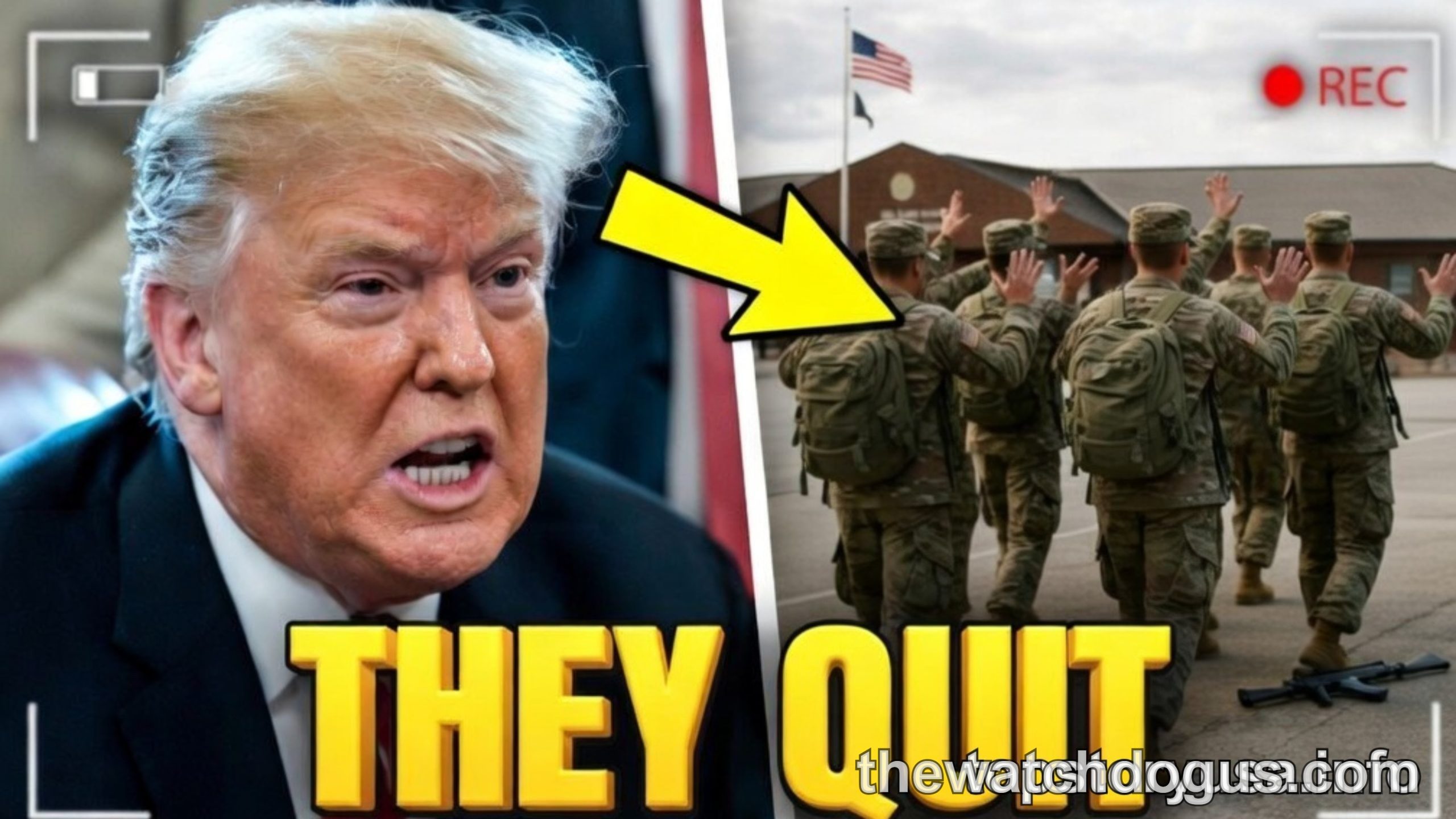
Defense officials are scrutinizing reported concerns within military ranks over unclear strategic objectives regarding potential U.S. military actions toward Iran.
The Pentagon faces mounting pressure as senior officials work to address questions about operational clarity and the legal boundaries surrounding potential military operations. Experts say that strategic ambiguity can create friction within command structures and complicate rules of engagement across multiple levels.
Command Structure Challenges
When military objectives shift rapidly or remain undefined, planning becomes difficult across government agencies. The uncertainty extends beyond the Defense Department to affect coordination between the executive branch and Congress over constitutional war powers authority.
International law, including the Geneva Conventions, places strict limits on targeting civilian infrastructure during military operations. Legal analysts caution that public discussion of controversial military options can shape global perception and potentially undermine the legitimacy of future actions.
Congressional and International Concerns
Lawmakers from both parties have historically challenged what they view as bypasses to their constitutional authority to declare war. Some officials are reportedly exploring mechanisms to reassert congressional oversight, including funding restrictions or emergency hearings.
European allies committed to diplomatic engagement with Iran are likely to view rapid escalation with significant concern. A breakdown in coordination between the United States and its international partners could weaken broader coalition efforts on multiple fronts.
Regional Dynamics and Economic Impact
Within Iran, external threats have historically consolidated power among hardline elements while diminishing the influence of moderates who might pursue negotiation. External pressure may inadvertently strengthen the factions it seeks to constrain.
The Strait of Hormuz remains a critical focal point due to its role as a vital corridor for global energy shipments. Any disruption there could trigger volatility in international markets and affect economic stability far beyond the immediate region.
Quiet negotiations conducted through intermediaries have historically played a key role in reducing tensions between adversarial states. These behind-the-scenes diplomatic efforts, while rarely publicized, can be pivotal in preventing miscalculations.