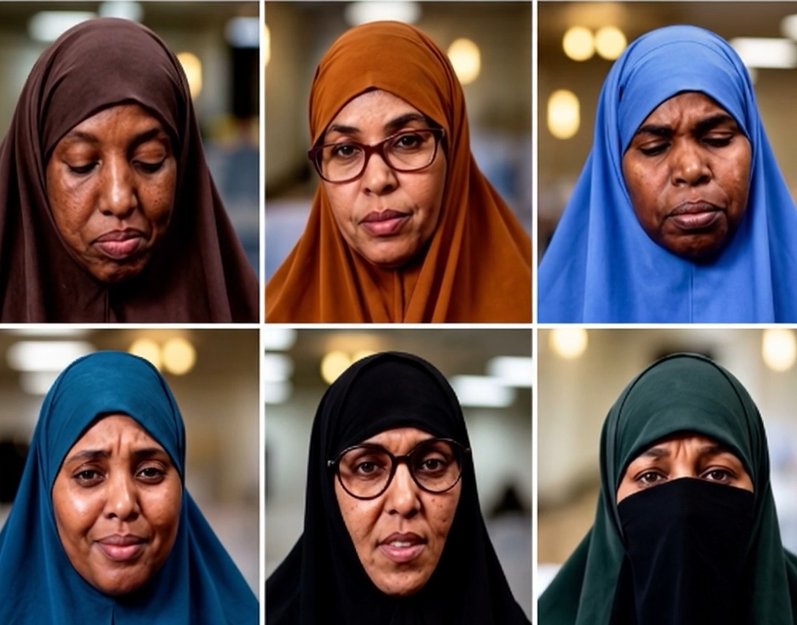
U.S. Foreign Aid Policy Faces Renewed Debate Over Somalia
The debate over U.S. foreign assistance is increasingly focused on whether taxpayer-funded aid is producing sustainable results in countries that continue to face political instability, conflict, and weak state institutions.
Critics of continued assistance to Somalia argue that foreign aid should not be treated as an open-ended commitment. They contend that after decades of international support, Somalia continues to struggle with security challenges, political divisions, humanitarian needs, and economic instability. From this perspective, continued funding without stronger conditions could reduce incentives for governments to develop the capacity needed to manage their own affairs.
Supporters of aid, however, argue that assistance can play an important role in humanitarian relief, development, security, and efforts to strengthen institutions. They maintain that abruptly ending assistance could create additional risks for civilians and regional stability.
The disagreement reflects a broader question about how the United States should allocate taxpayer resources overseas while addressing domestic priorities. Under an “America First” approach, policymakers have argued that U.S. funding should be more closely tied to measurable outcomes, accountability, and American interests.
A potential suspension or significant reduction in assistance to Somalia would therefore represent more than a budget decision. It would raise questions about how Washington evaluates foreign aid, what conditions should accompany assistance, and how much responsibility recipient governments should assume for their own security and governance.
The central argument from aid skeptics is straightforward: assistance should have clear objectives, accountability, and limits rather than becoming a permanent financial obligation. Whether that approach would improve Somalia’s ability to govern itself—or create additional humanitarian and security challenges—remains a matter of debate among policymakers and analysts.