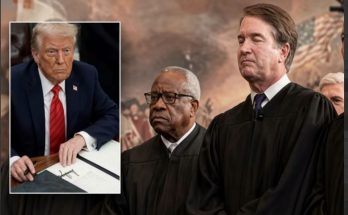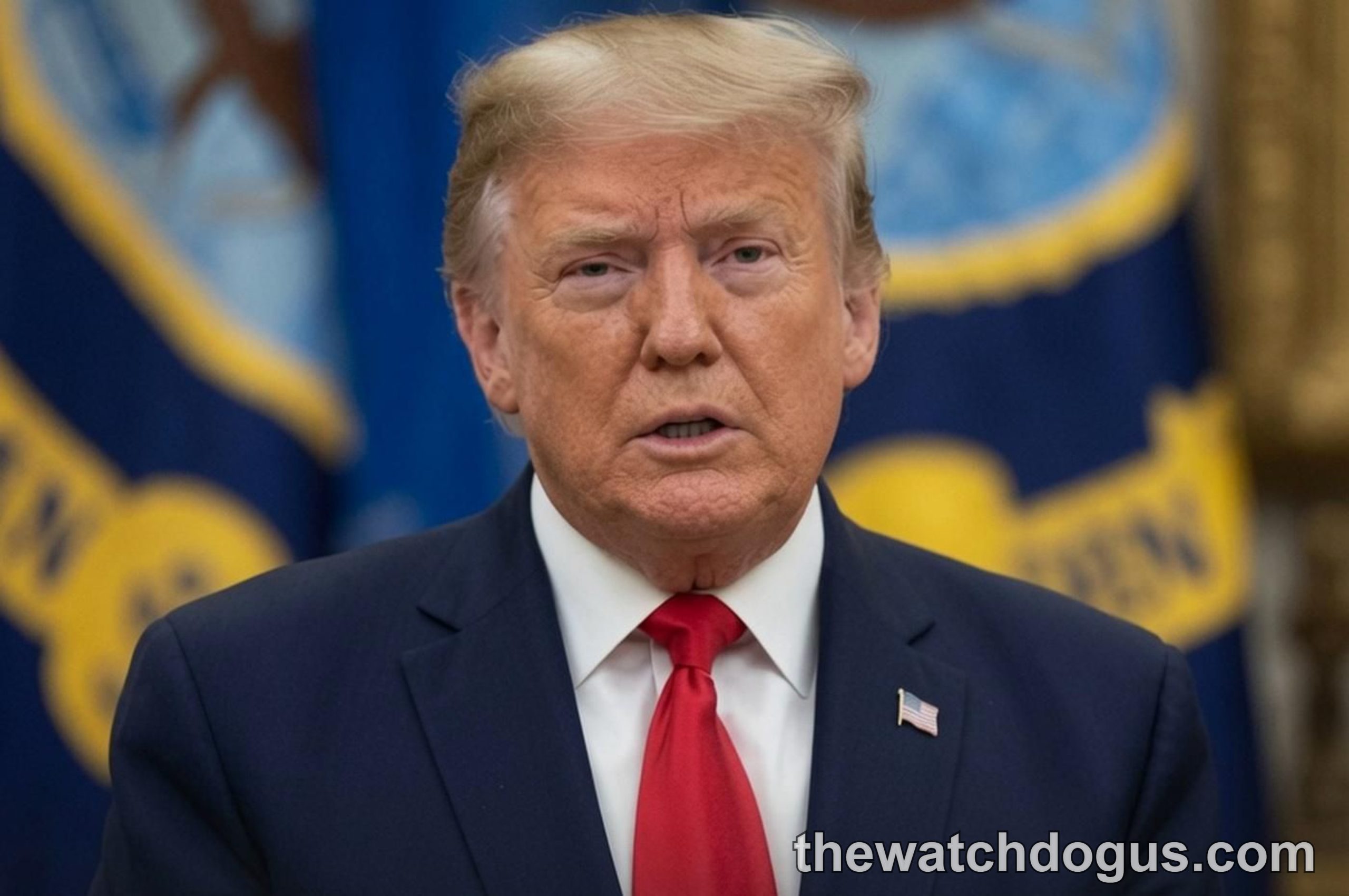
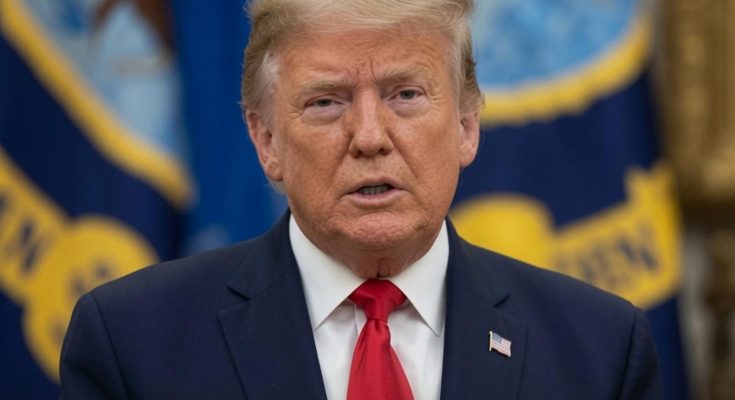
Donald Trump’s self-deprecating remark about being at the “bottom of the totem pole” at a recent appearance revealed an unusual moment of vulnerability in his typically commanding public persona.
The comment came during remarks when Trump joked that if he ended a war, “maybe they’ll let me in.” The room’s reaction-hesitant laughter followed by visible discomfort-suggested the audience picked up on something unconventional in the framing.
Trump has historically built his public image around dominance, strength, and inevitability. Remarks that suggest exclusion or marginalization diverge markedly from that established pattern.
What the Moment Revealed
The phrase “maybe they’ll let me in” introduced an ambiguous reference to unnamed gatekeepers whose approval apparently matters. This framing suggested external validation remains significant, despite Trump’s public claims of independence from institutional authority.
Trump frequently positions himself as an outsider challenging entrenched systems, yet simultaneously seeks recognition from those same institutions. The joke condensed that tension into a single exchange.
The language of needing to be “let in” differs from Trump’s usual rhetorical approach. His standard framework emphasizes immediate control and transactional outcomes rather than dependency on external approval.
The Broader Pattern
Trump’s messaging consistently measures legitimacy through external validation-elections, media coverage, international recognition. The joke about ending war as a pathway to acceptance reflected that preoccupation in stark terms.
Complex realities including military conflict become reduced to symbolic gestures designed to confer acceptance. That framing exposes the gap between serious policy matters and personal status concerns.
The audience’s uncertain response indicated they recognized that gap, even if subconsciously. Their laughter functioned as both acknowledgment and deflection from the uncomfortable implication.
What This Reveals
Trump’s political persona typically operates within certainty-absolute statements, decisive action, self-generated power. Acknowledging possible exclusion, however humorously, introduces the idea that some doors require external permission to open.
The moment proved subtle rather than dramatic, which often means it reveals more than spectacular pronouncements. It showed humor functioning simultaneously as shield and signal-masking discomfort while revealing it.
For those observing closely, the exchange offered a glimpse into the mechanics beneath the performance. It demonstrated how a brief admission can momentarily step outside an established role that has been perfected over years.
This story has been updated. CNN’s Digital team contributed to this report.