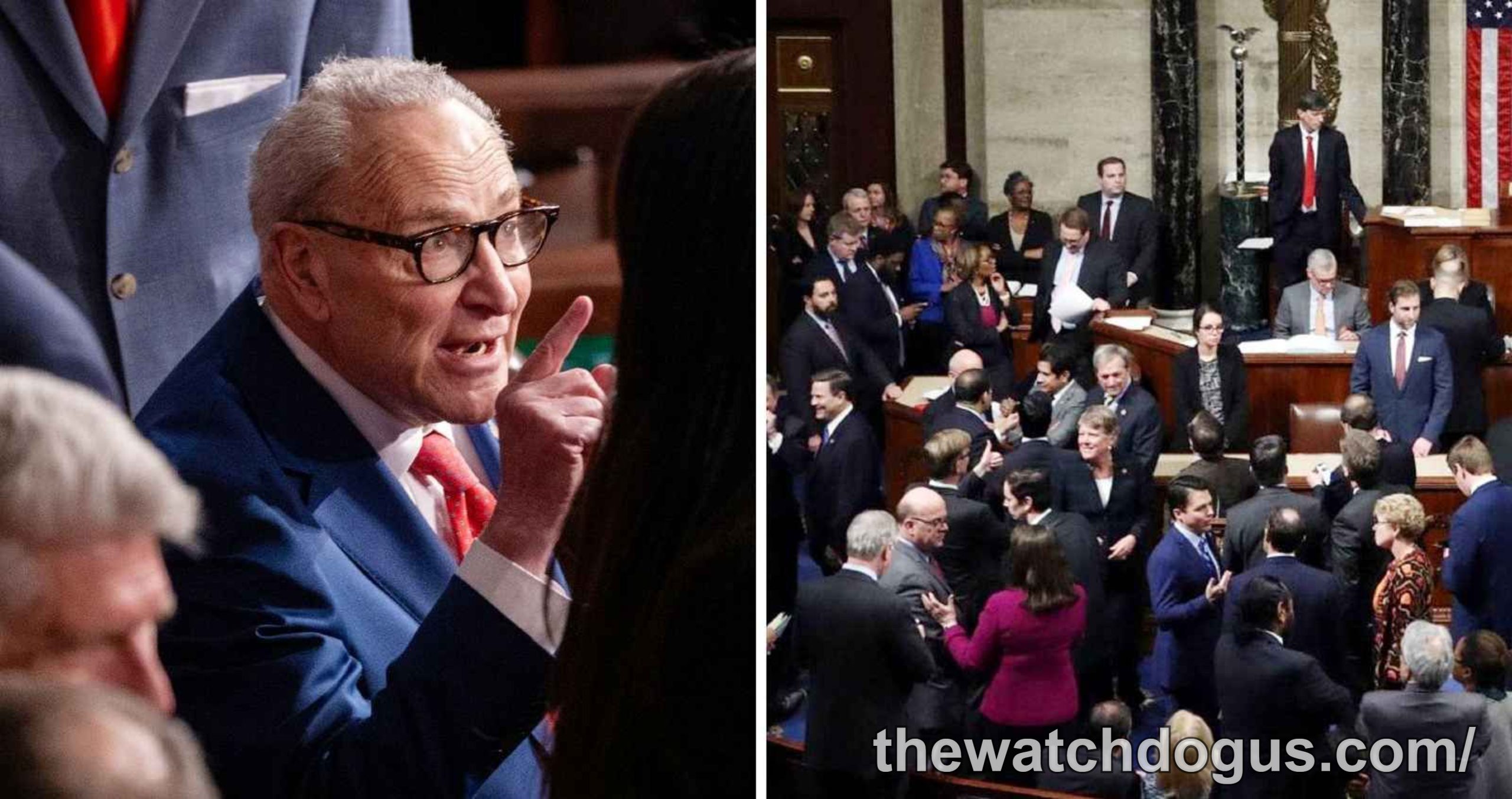
The Senate blocked a resolution Tuesday that would have required congressional approval before President Donald Trump could authorize military operations involving Iran, handing the White House a narrow victory in an ongoing dispute over executive war powers.
Sen. Raphael Warnock, a Georgia Democrat, introduced the measure and argued that Congress should have greater authority over decisions involving military action. The vote largely followed party lines, though it featured notable defections from both sides.
The Vote
Four Republican senators-Susan Collins, Bill Cassidy, Lisa Murkowski, and Rand Paul-voted with Democrats to advance the measure. However, Democratic Sen. John Fetterman of Pennsylvania voted with Republicans to block it, depriving Democrats of the votes needed to move forward.
Paul has long advocated for limiting executive war powers, while Collins and Murkowski have occasionally broken with Republican leadership on national security issues. Fetterman has increasingly departed from his party on foreign policy matters.
The Iran Agreement
The vote came shortly after Trump announced an agreement with Iran aimed at ending months of military tensions. “The Deal with the Islamic Republic of Iran is now complete,” Trump wrote on Truth Social, though the administration has not released detailed terms.
The lack of transparency prompted questions from lawmakers in both parties about the arrangement and its implementation. Senate Majority Leader John Thune said Congress is seeking additional information about how the agreement would function.
Legal Questions
Questions have emerged about whether the agreement could trigger the Iran Nuclear Agreement Review Act, which requires Congress to review certain Iran-related agreements before sanctions relief can occur. Administration officials argued the resolution was unnecessary and maintained that portions of the War Powers Resolution are unconstitutional.
Officials contended that an April ceasefire changed the timeline for congressional authorization requirements. These legal arguments were not directly addressed since the measure failed to advance.
What’s Next
Senate Minority Leader Chuck Schumer indicated Democrats may pursue other legislative options, including a separate proposal by Sen. Tim Kaine. The House has already approved separate legislation seeking to limit unauthorized military operations involving Iran, though the Senate has not yet considered it.
The debate reflects an ongoing constitutional dispute over the balance of power between Congress and the president in matters of war and foreign policy. Congress holds the authority to declare war, while presidents have historically exercised broad authority as commander in chief.
This story has been updated. CNN’s Political Unit contributed to this report.