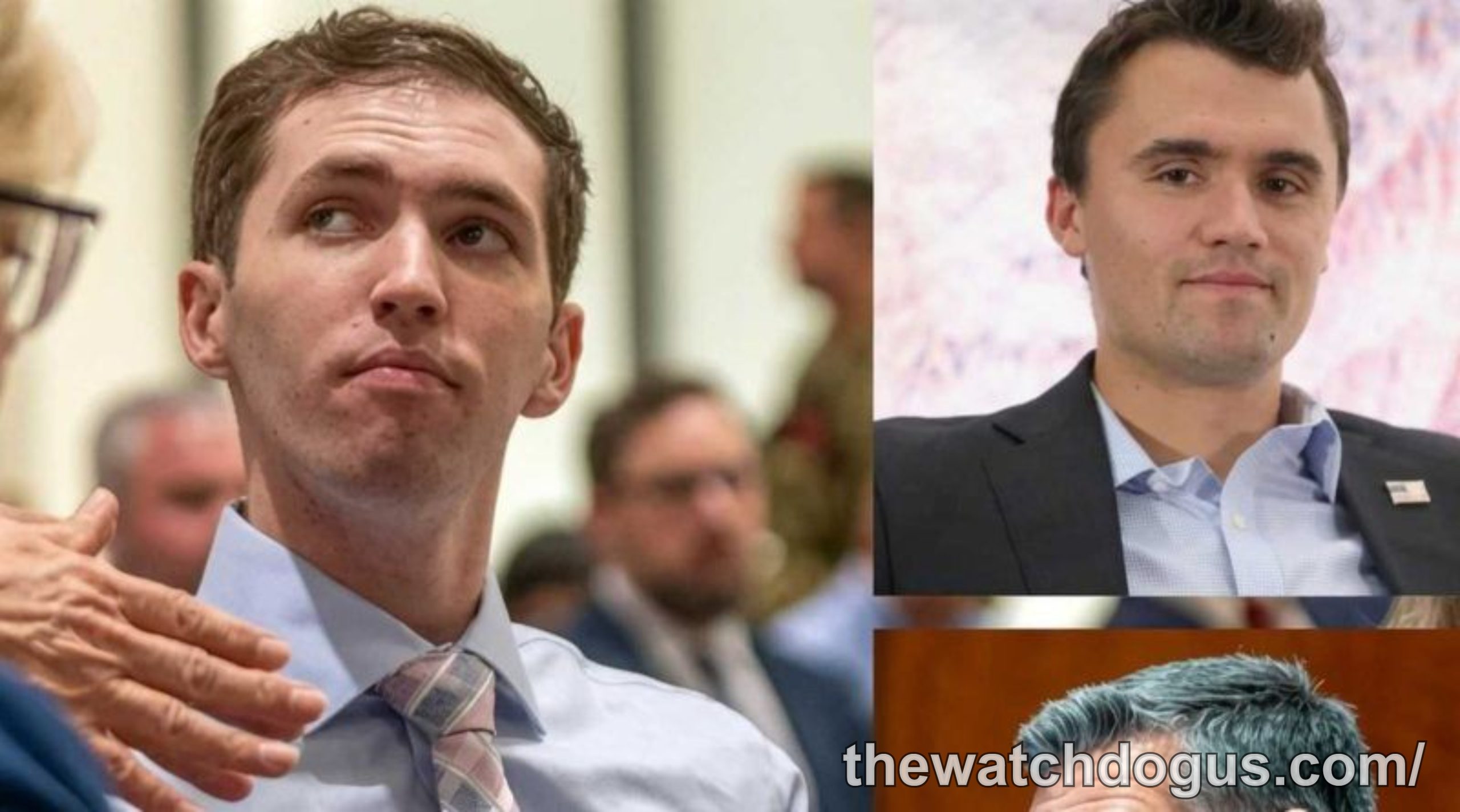
The defense team for Tyler Robinson, accused of killing conservative influencer Charlie Kirk at Utah Valley University in September, has filed a motion to close portions of an upcoming preliminary hearing scheduled for May.
Robinson faces charges of aggravated murder and multiple felonies in connection with the shooting death of Kirk. He could be eligible for the death penalty if convicted.
The Legal Challenge
The defense motion, filed Friday, seeks to close parts of the May 18, 19, and 22 hearings, citing concerns that testimony and exhibits could be inadmissible at trial or compromise Robinson’s right to a fair trial. “The State intends to present as exhibits numerous videos which clearly cannot become public in advance of trial, given the well-established quantum of highly inflammatory media and social media coverage of this case,” the motion states.
The defense argues that prosecutors plan to rely on testimony that would be inadmissible during the actual trial under evidence rules. They contend that certain presentations could prejudice the defendant before a jury is even seated.
The Judge’s Prior Rulings
Judge Tony Graf Jr. previously ordered certain hearings closed after courtroom videographers were seen filming Robinson in shackles speaking with his attorney. In March, the judge denied the defense’s request to bar cameras entirely from the courtroom.
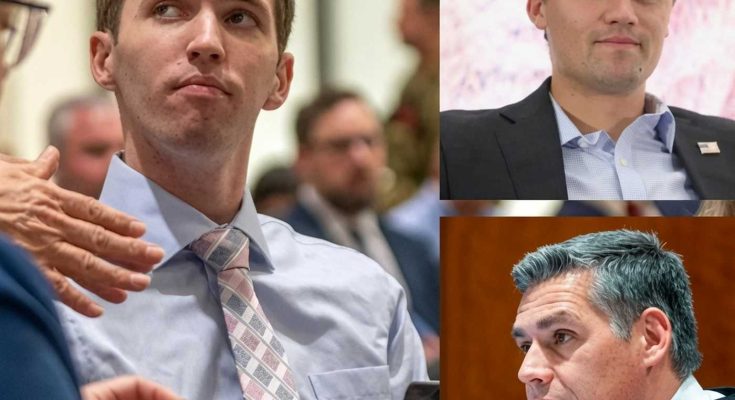
Graf cited the U.S. Supreme Court’s 1981 decision in Chandler v. Florida, stating that the presence of cameras does not automatically violate a defendant’s right to a fair trial. He ruled that cameras would be permitted in his courtroom, though portions of hearings could be closed to address privacy and safety concerns.
Ongoing Disputes
The case has become a battleground over media access and courtroom proceedings. Media organizations and representatives for the victim’s family have opposed requests to close hearings to the public.
Most recently, the defense filed a motion accusing prosecutors of engaging in a “willful media tour,” while prosecutors countered that their public statements responded only to what they characterized as “misleading” claims from the defense.
This story has been updated. CNN’s legal affairs team contributed to this report.