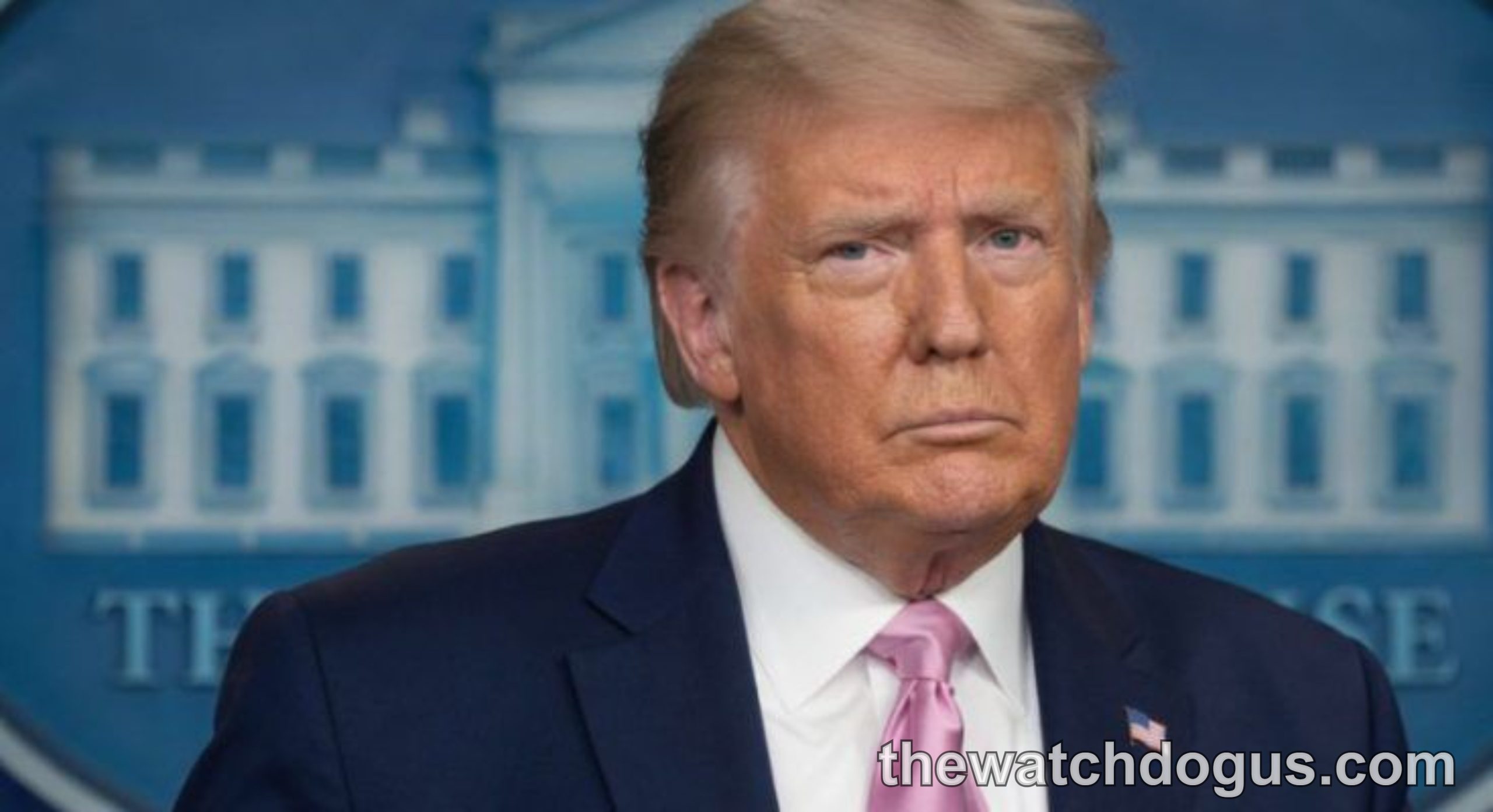
President Donald Trump’s decision to federalize Washington, D.C., produced rapid changes to the city’s policing landscape, drawing sharply divided reactions from residents about whether increased federal presence enhances or undermines public safety.
The executive order deployed additional federal resources to the nation’s capital within days, altering street-level operations across multiple neighborhoods. Crime statistics declined quickly following the deployment, though the shift prompted broader questions about the balance between security measures and civil liberties protections.
Resident Perspectives Diverge
Some Washington residents report feeling safer under the new federal presence. “For the first time in years, they can walk home without constantly looking over their shoulders,” according to accounts from community members who expressed relief at the intensified law enforcement activity. Community communication channels that previously circulated crime alerts have shown decreased incident reporting.
Other residents describe experiencing heightened anxiety despite declining crime metrics. Immigrant families have grown hesitant to open doors or contact authorities, citing concerns about potential immigration enforcement actions. Some parents report discussing emergency protocols with children regarding encounters with federal agents in public spaces.
Law Enforcement Coordination Challenges
Local police officers have privately expressed uncertainty about command structure as federal agencies, municipal police, and task forces operate simultaneously across the city. Questions about jurisdictional authority have created operational confusion in some situations.
The deployment has shifted Washington’s public safety debate beyond traditional crime reduction discussions. Officials and residents now grapple with defining what security means when measured against institutional trust and individual freedoms.
This story has been updated. CNN’s reporting team contributed to this report.