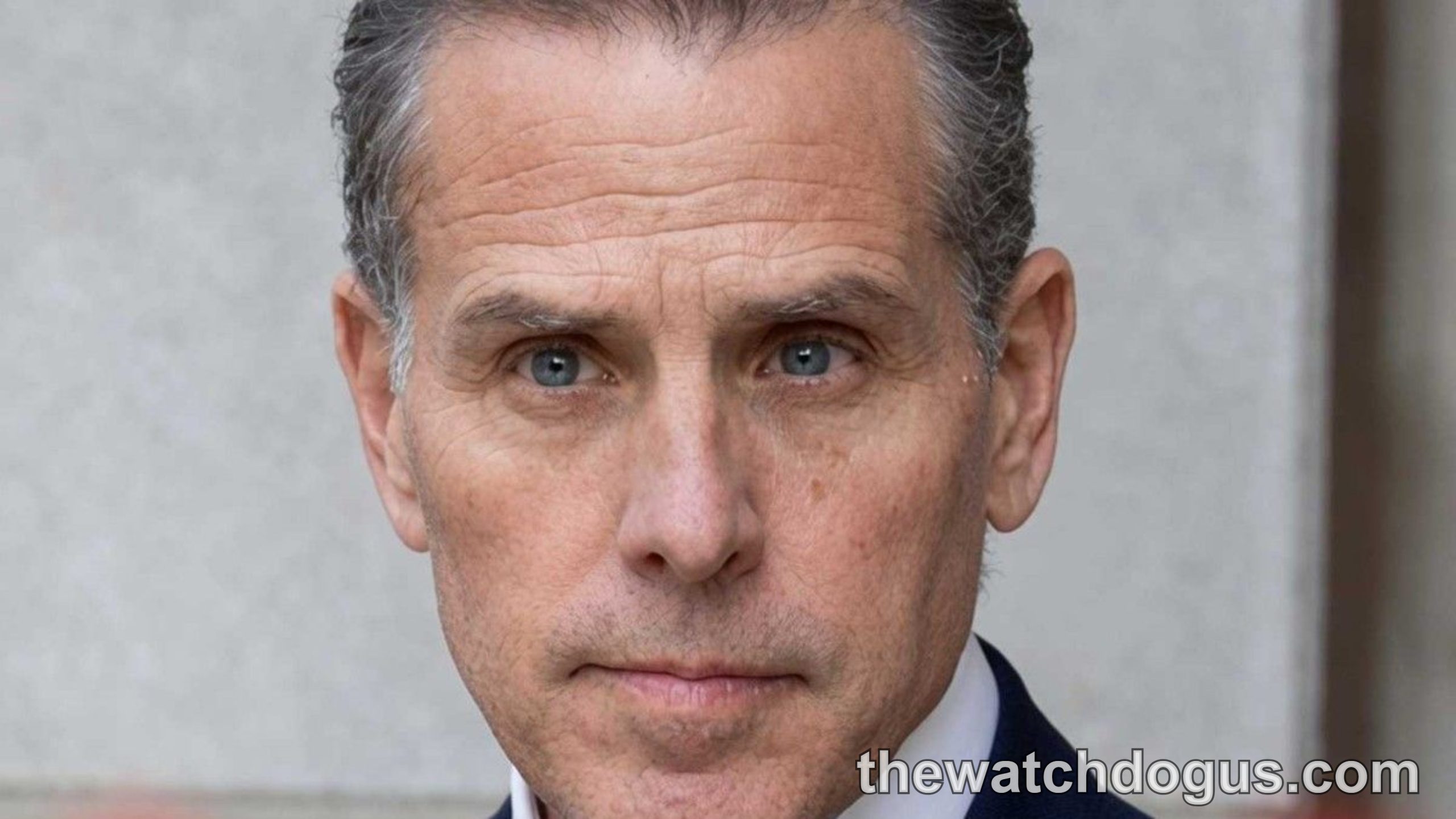
Hunter Biden was formally disbarred in Connecticut on Monday after a judge found he violated the state’s attorney conduct rules, marking the second jurisdiction where he has lost his law license.
The disbarment follows disciplinary complaints tied to Biden’s federal gun and tax convictions, which were pardoned by his father, former President Joe Biden, in December 2024. Biden appeared by video with his attorney before a judge in Waterbury during the proceeding.
Background on the Convictions
Biden faced three felony counts in Delaware for purchasing a firearm in 2018 while falsely stating on a federal form that he was not illegally using or addicted to drugs. He could have faced up to 25 years in prison, though legal experts said he likely would have received a significantly lighter sentence as a first-time offender.
Biden also faced federal tax charges in California related to unpaid taxes exceeding $1.4 million. He agreed to plead guilty to a combination of misdemeanor and felony tax charges in September 2024.
The Pardon and Its Consequences
Former President Joe Biden issued a broad pardon covering his son’s conduct over an 11-year period in December 2024. U.S. District Judge Maryellen Noreika formally closed the Delaware case, though the conviction itself was not vacated.
The California tax case was dismissed following the pardon despite objections from prosecutors, who argued the pardon should not erase the cases as though they never occurred.
Prior License Surrenders
Biden voluntarily surrendered his law license in Washington, D.C., in April in light of his criminal record. The District of Columbia Bar’s Board on Professional Responsibility accepted the surrender, which avoided extended disciplinary proceedings over whether mandatory disbarment was required.
In Connecticut, Biden reached an agreement with the state agency responsible for attorney discipline. He admitted to certain misconduct allegations while contesting others, according to court filings.
Complaints and Ethical Violations
The judge’s findings noted Biden violated ethical rules governing lawyers, including engaging in conduct involving dishonesty, fraud, deceit, or misrepresentation. The judge also referenced his D.C. disbarment as partial grounds for the Connecticut ruling.
Paul Dorsey, one of the two people who filed complaints in Connecticut, told the judge he objected to the agreement because Biden did not admit to committing crimes.
This story has been updated. CNN’s reporting team contributed to this report.