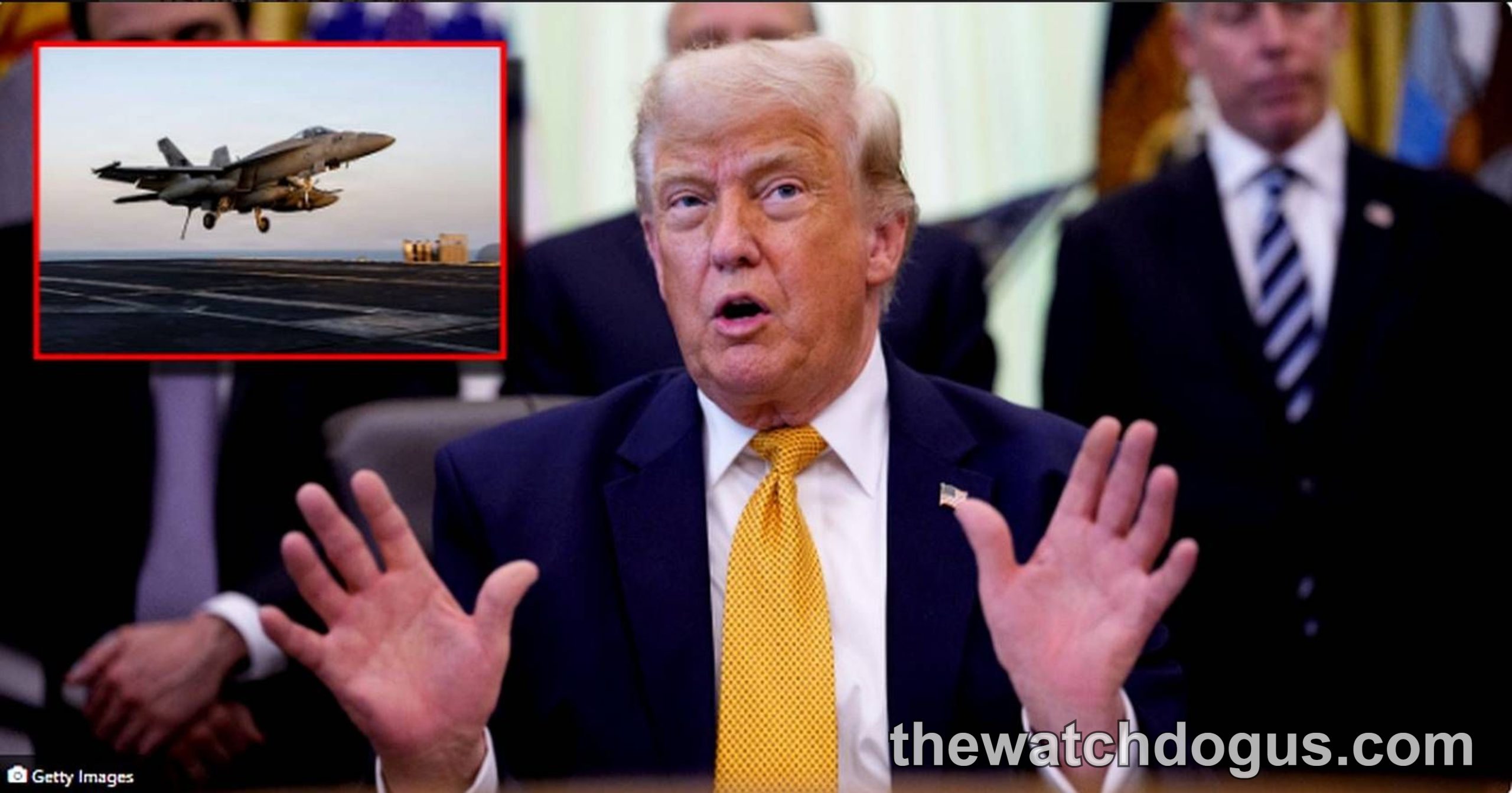
The United States launched airstrikes against Iranian military facilities Friday after Tehran’s drones attacked a commercial cargo vessel in the Strait of Hormuz, escalating tensions despite a ceasefire agreement signed earlier this month.
President Donald Trump announced on Truth Social that Iran had fired at least four attack drones at ships transiting the strait, with one striking the upper deck of a large cargo vessel. Trump stated the U.S. military had intercepted three of the drones and warned of consequences for what he called a “foolish violation” of the ceasefire agreement.
The Military Response
U.S. Central Command confirmed Friday that American forces had struck Iranian missile and drone storage facilities, radar sites, and other military targets in what it described as a “powerful response.” Six land-based aircraft targeted four separate locations along the Strait of Hormuz and on Iran’s Qeshm Island, according to a U.S. official who spoke to CBS News.
CENTCOM said the strikes were necessary because “the unwarranted aggression against commercial shipping by Iranian forces clearly violated the ceasefire.” The targeted facilities included infrastructure used to launch attacks on commercial vessels in the strategic waterway.
The Incident That Triggered Action
A Singapore-flagged cargo ship sustained damage to its bridge Thursday when struck by an Iranian drone while traveling through the Strait of Hormuz near Oman’s coastline. No injuries or environmental damage resulted from the strike, according to U.S. officials and the United Kingdom Maritime Trade Operations Centre.
The attack marked the first significant breach of the ceasefire memorandum of understanding reached between Washington and Tehran earlier in the month. The 14-point agreement required Iran to use “best efforts” to ensure safe passage through the strait for 60 days while negotiations proceeded on broader issues including Iran’s nuclear program.
Tensions Over Implementation
Disputes have emerged over how the ceasefire agreement should be implemented, with the United States advocating for shipping routes through the southern portion of the strait near Oman’s territory. Iran insists vessels use routes closer to its own shores and has indicated commercial tolls could be imposed after the temporary agreement expires.
Iran’s Persian Gulf Strait Authority warned Thursday that vessels deviating from routes designated by Iranian authorities would not receive safe-passage guarantees or insurance protections. The disagreement over shipping corridors has complicated the fragile ceasefire arrangement since its inception.
What Happens Next
Vice President JD Vance, who has led diplomatic efforts with Iran, defended the military response Friday. “Iran signed a ceasefire agreement. We have honored it,” Vance wrote on social media. “If they have disagreements about how the memorandum of understanding is being applied, they can pick up the phone. But violence will be met with violence,” he added, according to CBS News.
The strikes represent the first direct U.S. military action against Iran since the ceasefire took effect and raise questions about the viability of ongoing negotiations scheduled to continue over the next 60 days. Commercial shipping through the strait had increased significantly following the initial agreement, and global oil prices had declined toward pre-conflict levels before Thursday’s attack.
This story has been updated. CNN’s wire staff contributed to this report.