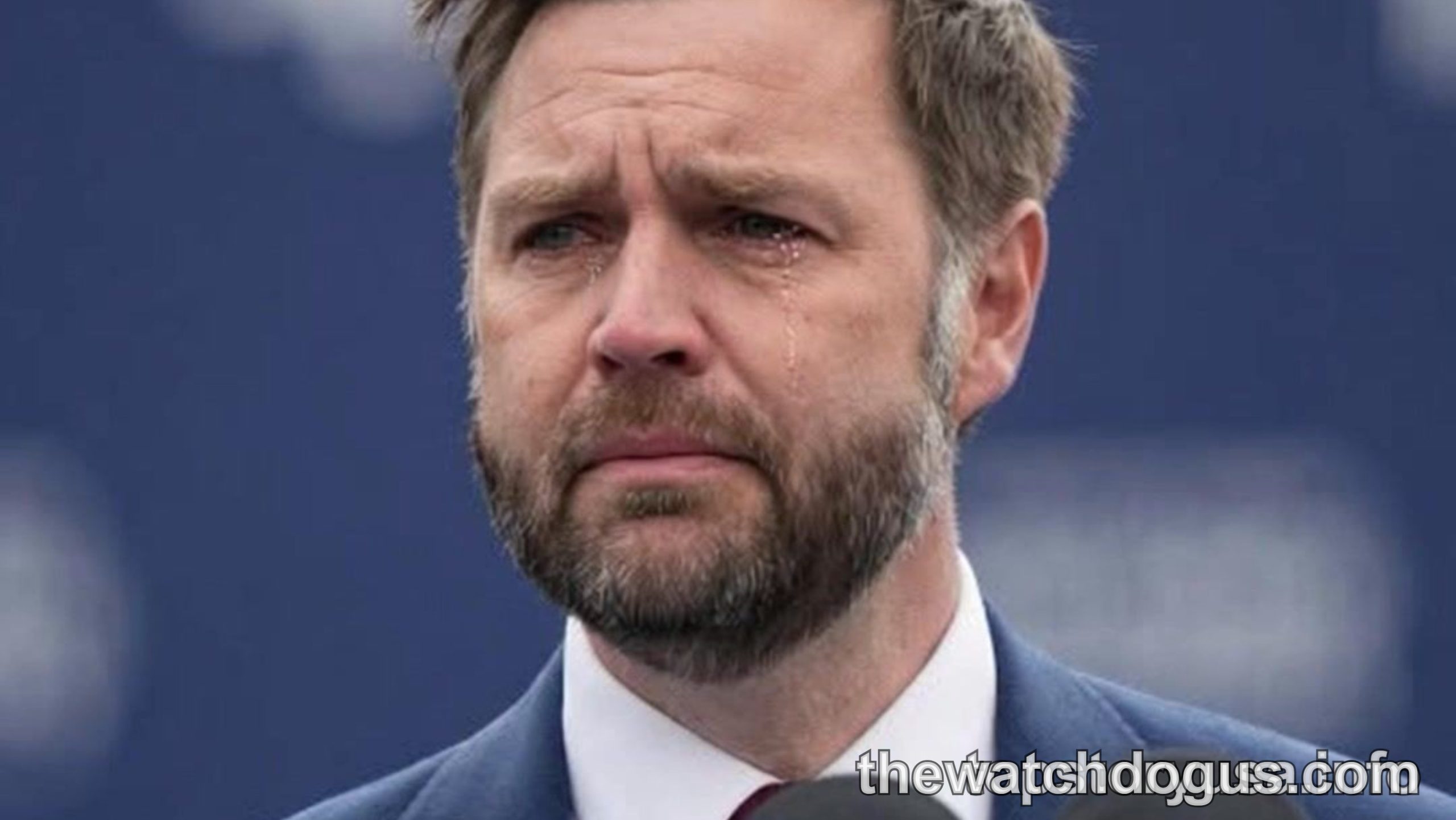
Vice President JD Vance’s characterization of allied military contributions drew sharp criticism from British politicians and military veterans who pointed to their nation’s sacrifices in Iraq and Afghanistan.
The remarks ignited responses across the political spectrum in the United Kingdom, with senior military figures and lawmakers objecting to how allied service was characterized. The controversy gained traction across British media as prominent voices weighed in on the statement.
Military and Political Response
Former Veterans Minister Johnny Mercer and former SAS soldier Andy McNab were among the first to voice objections to the characterization of allied service. Lord West and General Sir Patrick Sanders emphasized the long history of cooperation between British and American forces, stressing that both nations have fought together and sustained casualties in numerous operations.
The criticism extended beyond military circles into Parliament. “This characterization is disrespectful to Britain’s military contributions,” Shadow Defence Secretary James Cartlidge said, echoing concerns raised by former Foreign Secretary James Cleverly and other lawmakers about the importance of recognizing shared sacrifices.
The Clarification
Vance later clarified that his comments were not directed at the United Kingdom or France, stating they referred to countries that have not engaged in recent combat operations. The clarification came after the controversy gained momentum across British media and political circles.
The incident has prompted a wider conversation about diplomatic language and the need to acknowledge contributions from long-standing allies. The controversy highlighted sensitivities around recognition of the 636 British service members who died during operations in Iraq and Afghanistan.
This story has been updated. CNN’s International Desk contributed to this report.