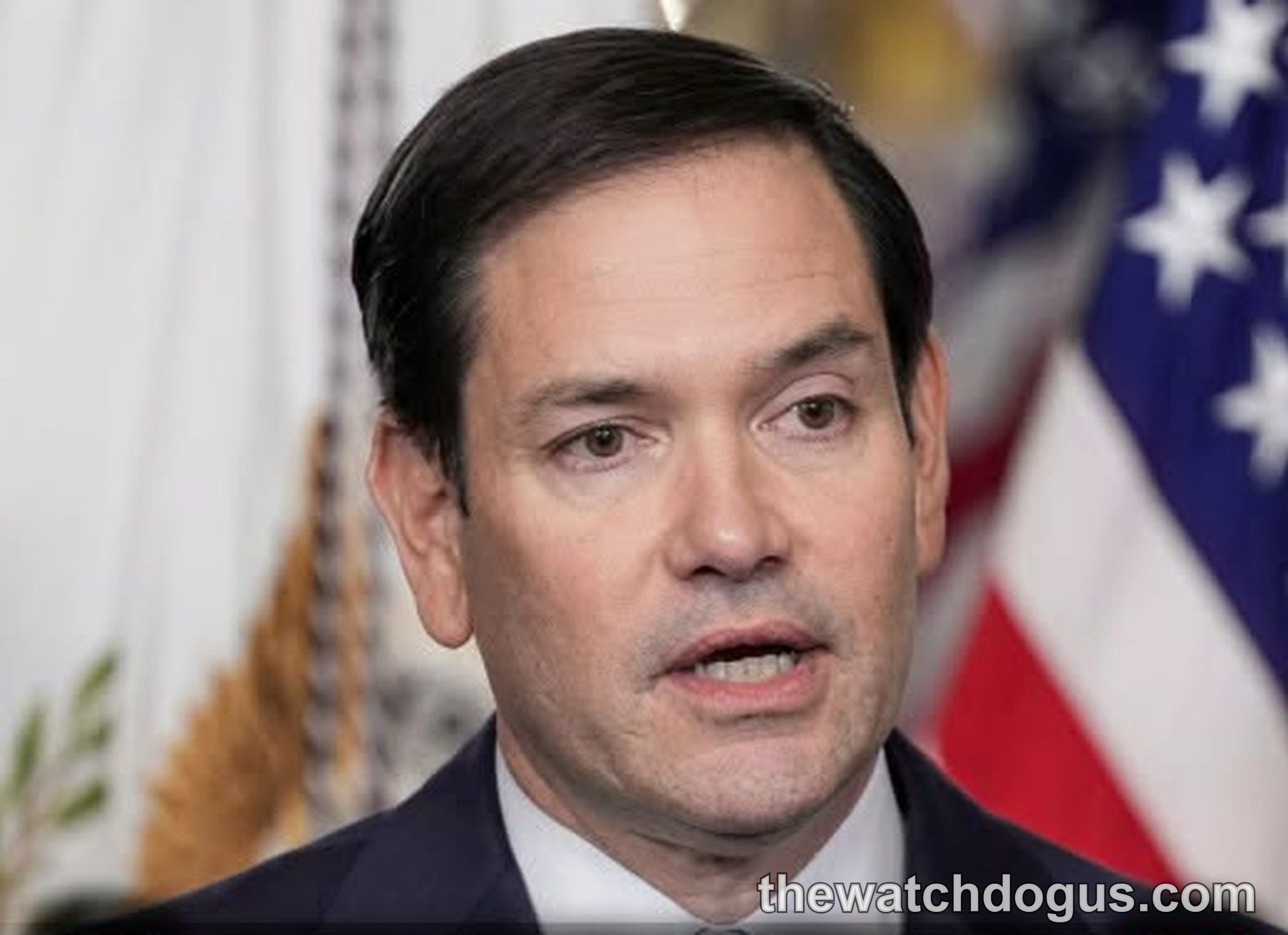
Secretary of State Marco Rubio said Friday that back-channel discussions with Iran show “a little bit of movement,” but warned the United States is prepared with a contingency plan if negotiations stall.
Rubio’s cautiously optimistic assessment marked the first public acknowledgment of diplomatic progress in weeks of indirect talks aimed at resolving escalating tensions between the U.S., Israel and Iran. The secretary stressed that any breakthrough remains fragile and far from certain.
The Diplomatic Push
Pakistan’s Army Chief Field Marshal Syed Asim Munir is heading to Tehran for consultations with Iranian officials, according to security sources familiar with the matter. Munir has served as a key intermediary between Washington and Tehran throughout the ongoing discussions.
“The latest signs are encouraging, but I’m not popping champagne yet,” Rubio said Friday. “I don’t want to exaggerate it, but there’s been a little bit of movement, and that’s good.”
The Red Line
Rubio drew a clear boundary around Iran’s proposed “tolling system” for the Strait of Hormuz, calling it unacceptable and a barrier to diplomatic progress. The strategic waterway handles nearly one-fifth of global oil exports and remains central to the dispute.
“No one in the world is in favor of the tolling system,” Rubio said. “It can’t happen. It would be unacceptable.”
Iran claims ownership over the strait and has indicated it will only fully reopen it if commercial vessels pay transit fees. Rubio warned that such a move would violate international law and destabilize global markets.
“If Tehran refuses to reopen the route, the US and its partners can’t just sit around and hope for the best,” Rubio added. “If Iran keeps digging in, Washington has to have a Plan B.”
Regional Violence Continues
Israeli strikes have killed more than 3,100 people in Lebanon since early March amid ongoing combat with the Iran-backed militant group Hezbollah. A U.S.-brokered ceasefire took effect in mid-April, but Hezbollah has rejected the agreement and continued military operations.
Lebanon and Israel have held discussions in Washington, with another session expected in June. Hezbollah’s refusal to participate in talks complicates broader regional peace efforts.
International Pressure Mounting
The European Union on Friday expanded its sanctions framework against Iran to target those responsible for blocking the Strait of Hormuz, declaring the closure “contrary to international law.” The measures include travel bans, asset freezes and restrictions on financial transactions involving EU citizens and companies.
Iran introduced a new mechanism called the Persian Gulf Strait Authority to regulate maritime transit through the waterway, according to Iranian state media. The system requires vessels to obtain prior authorization and comply with transit guidelines before crossing the strait.
President Trump told Fox News anchor Bret Baier on Friday that he was “cautiously optimistic” about reaching a deal with Iran within a week. “We’re in the middle of this – what the president is looking at on this proposal, this one-pager, this memorandum of understanding, I talked to him today, and there was this sense of optimism, not – I would say cautious optimism that they maybe get to a deal within a week,” Baier said.
This story has been updated. CNN’s Diplomatic Affairs team contributed to this report.