The Supreme Court ruled 5-4 on Tuesday that voluntary departure deadlines in immigration cases must be extended to the next business day if they fall on a weekend or federal holiday.
The decision in Monsalvo Velazquez v. Bondi addressed how federal immigration officials should interpret a 60-day voluntary departure window that allows certain immigrants with good moral character to leave the U.S. voluntarily rather than face formal removal proceedings.
What the Court Decided
Justice Neil Gorsuch, writing for the majority, found that the 60-day period aligns with long-standing administrative practices dating back to the 1950s that exclude weekends and federal holidays from deadline calculations. “When Congress adopts a new law against the backdrop of a ‘long-standing administrative construction,’ the Court generally presumes the new provision works in harmony with what came before,” Gorsuch wrote.
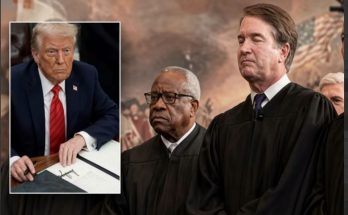
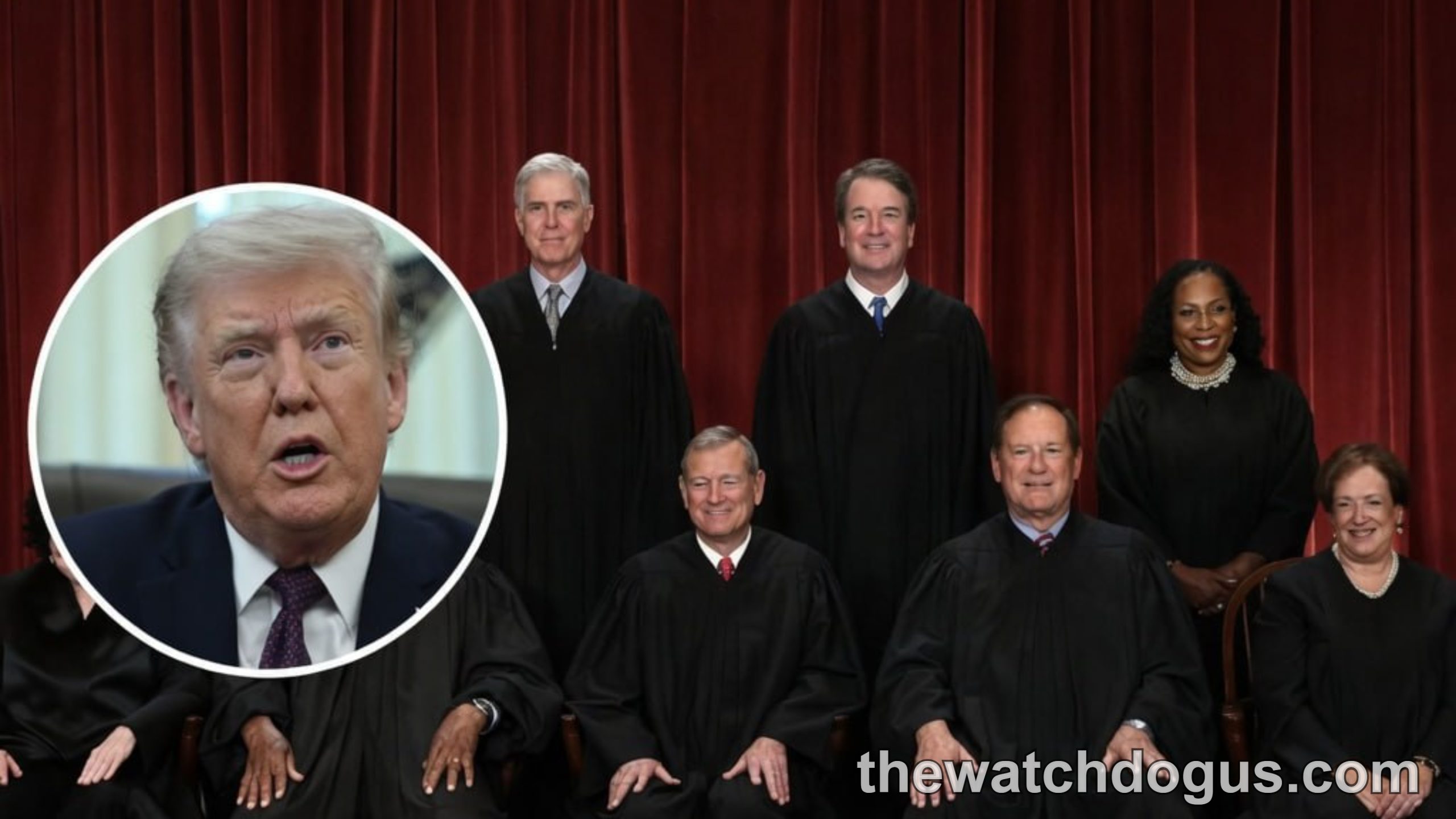
Chief Justice John Roberts and Justices Sonia Sotomayor, Elena Kagan, and Ketanji Brown Jackson joined Gorsuch in the majority opinion. The ruling reversed decisions by the 10th Circuit Court of Appeals and the Board of Immigration Appeals in the case of Monsalvo Velázquez, a 32-year-old Colorado resident ordered for removal in 2019.
The Dissent
Justices Clarence Thomas, Samuel Alito, Brett Kavanaugh, and Amy Coney Barrett dissented, with Thomas arguing the Court lacked jurisdiction to rule on the matter. Justice Alito rejected the majority’s interpretation entirely, stating the 60-day period should include weekends without extension.
“There will always be a sympathetic pro se alien who is a day or two late,” Alito wrote. “Unless the Court is willing to extend the statutory deadline indefinitely, it would presumably be forced to say in such cases that a day too late is just too bad.”
Broader Implications
The narrow 5-4 decision may signal how the Court could approach upcoming high-profile immigration cases, including challenges to President Donald Trump’s birthright citizenship ban. The Court is scheduled to hear oral arguments in that major case on May 15.
The ruling comes as Trump’s immigration policies have reshaped migration patterns, with migrants reconsidering journeys to the U.S. following executive orders that bolster border security and reinstate policies like “Remain in Mexico.”
This story has been updated. CNN’s legal team contributed to this report.