Democrats are appealing a federal judge’s decision not to immediately block President Donald Trump’s executive order that would tighten rules for mail-in voting.
U.S. District Judge Carl Nichols ruled on May 28 that Democrats’ request for a preliminary injunction was premature because federal agencies had not yet taken concrete steps to implement the order. The Democratic Party formally signaled its appeal Monday, moving the legal fight to a higher court.
What the Executive Order Does
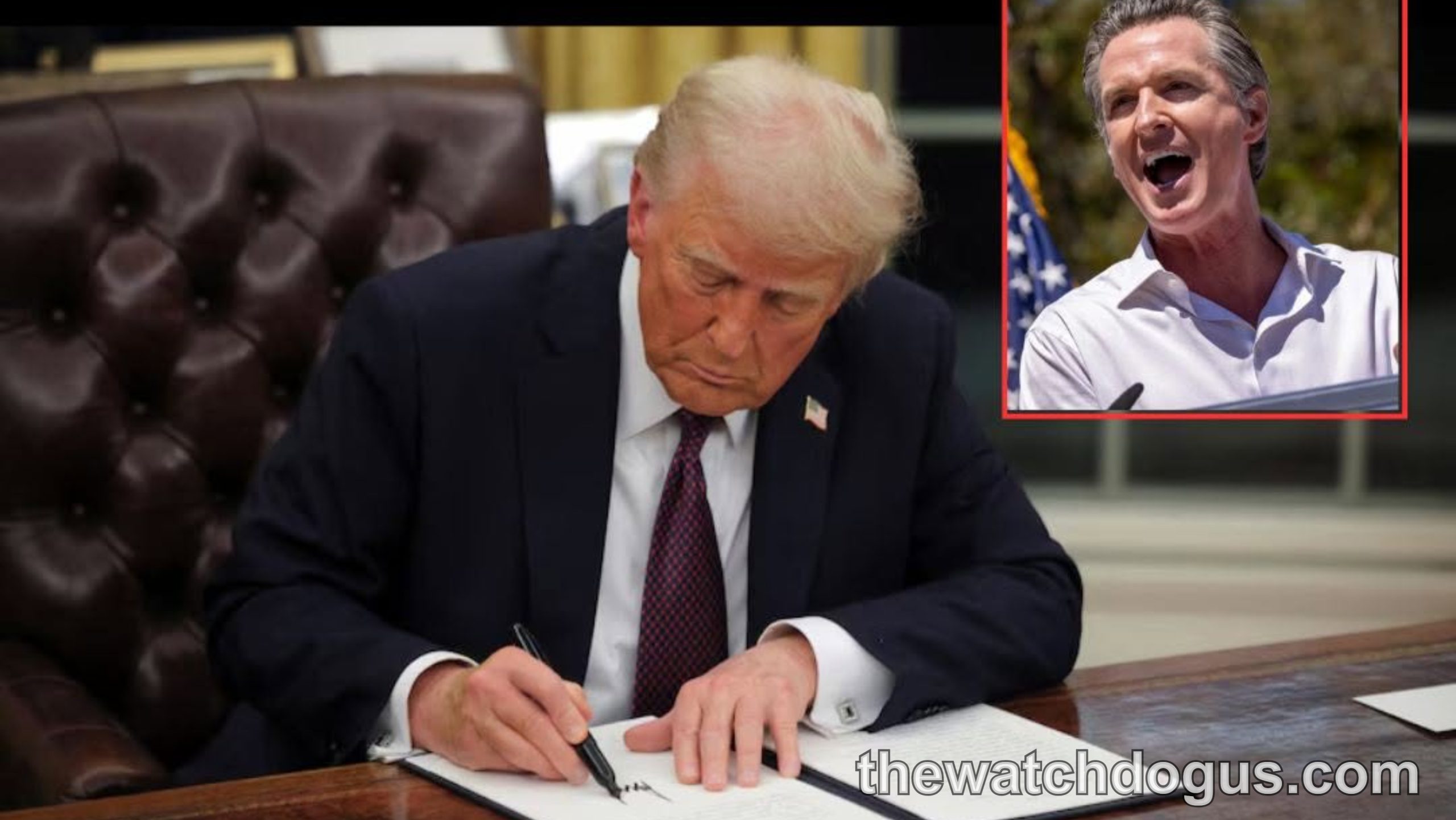
Trump’s March 31 executive order directs federal agencies to take several actions related to mail-in voting. The administration would compile a list of confirmed U.S. citizens and require the U.S. Postal Service to deliver ballots only to voters appearing on approved state mail-in voting lists.
On May 29, the U.S. Postal Service proposed a rule requiring states to provide lists of voters who receive mail-in ballots, with a 30-day public comment period before any final action can be taken.
The Court’s Decision
Judge Nichols did not rule on the legality of the executive order itself. Instead, he concluded that the plaintiffs had not demonstrated immediate harm because implementation had not begun.
His decision left existing voting procedures unchanged and did not alter how Americans currently cast ballots. The ruling means the executive order remains in place while litigation continues.
Legal Challenges Mount
A separate lawsuit filed in Massachusetts by voting rights organizations is also seeking to block portions of the order, with a federal judge in Boston expected to hear arguments in that case.
The Massachusetts lawsuit includes the League of Women Voters, the Association of Americans Resident Overseas, the U.S. Vote Foundation, OCA-Asian Pacific American Advocates, and Delta Sigma Theta Sorority, represented by the American Civil Liberties Union, the Brennan Center for Justice, and other legal organizations.
Arguments Against the Order
Legal teams argue the administration is attempting to seize powers reserved for states and Congress. “The Constitution is clear: the states and Congress – not the president – set the rules for our elections,” the attorneys said.
The ACLU stated that the executive order violates both federal law and the Constitution. Plaintiffs highlighted concerns about overseas voters, military families, seniors, voters with disabilities, students, and rural residents who often depend on absentee voting.
“Mail voting helps millions of Americans participate in our democracy,” said Marcia Johnson of the League of Women Voters.
Administration’s Position
The administration has defended the executive order as an effort to strengthen election security and improve verification processes. The Justice Department did not immediately comment on the Democrats’ appeal.
The legal battle now appears headed toward a prolonged court fight as judges weigh whether the executive branch has authority to implement the changes outlined in the order.
This story has been updated. CNN’s Election and Policy teams contributed to this report.