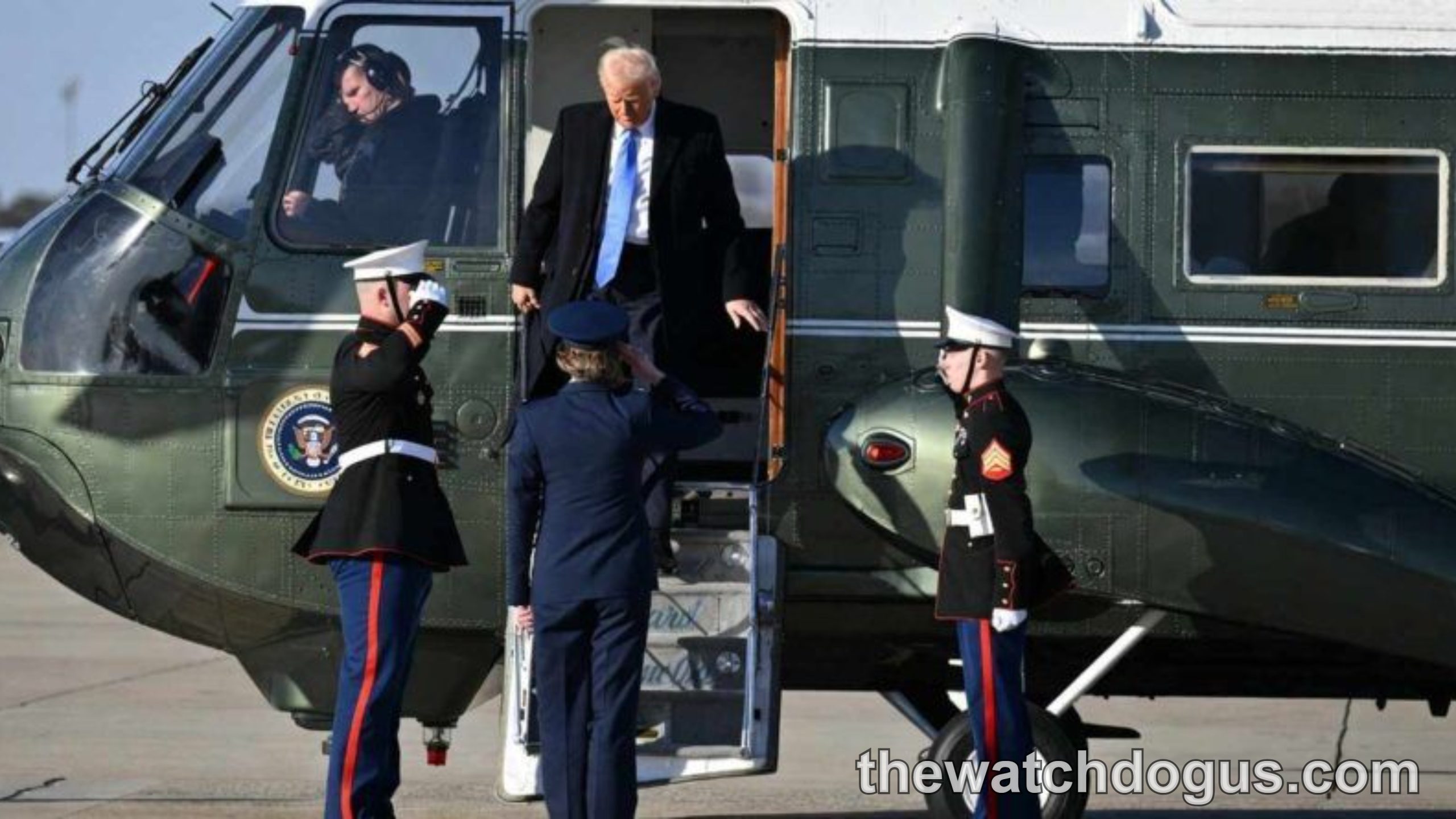
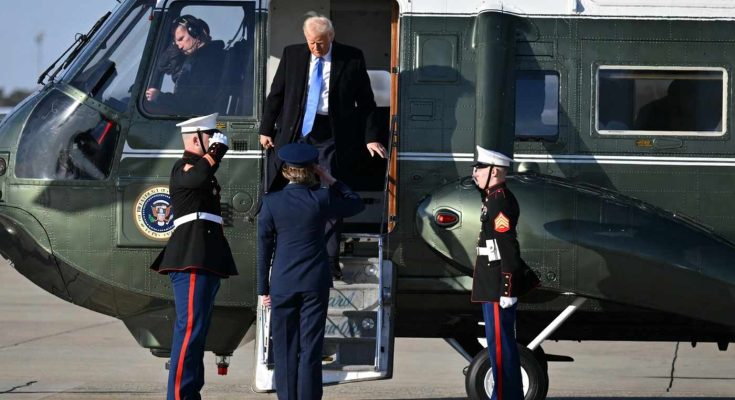
President Donald Trump moved a scheduled Cabinet meeting from Camp David to the White House on Wednesday as the United States edges closer to a potential phase one agreement with Iran.
The shift in location comes as Trump indicated progress in talks aimed at preventing Iran from developing nuclear weapons. Trump stated that Iran is operating under severe constraints and expressed willingness to reach an agreement, though he indicated the current terms remain unsatisfactory.
What Trump Said
“They want very much to make a deal,” Trump said of Iranian negotiators. “We’re not satisfied with it, but we will be. Either that or we’ll have to just finish the job.”
Trump characterized Iran’s military capabilities as severely degraded and expressed confidence that the American public supports preventing Iranian nuclear advancement. He dismissed concerns about domestic political considerations, stating that public sentiment demonstrated awareness of Iran’s strategic limitations.
Military Operations and Strategic Positioning
U.S. forces conducted “self-defense strikes” against Iranian military targets on Monday, including missile launch sites and vessels allegedly involved in mining operations in the Strait of Hormuz.
Former CENTCOM Commander Gen. Joseph Votel characterized Iran’s reported mine-laying activities as an attempt to increase pressure during negotiations. “The Iranians are trying to hedge their bets here and put more pressure on the U.S.,” Votel said on Fox News. He praised CENTCOM’s rapid military response as an effective demonstration of force while noting that diplomatic and military efforts would likely continue simultaneously.
Complexities in Negotiations
Counterterrorism experts identified structural challenges in finalizing an agreement with Iran’s supreme leader, who holds “designated target” status and operates through encrypted courier networks.
Dr. Omar Mohammed explained the unprecedented nature of such negotiations, saying any accord would require approval through secretive communication channels involving a leader unable to appear publicly. “Any deal the United States signs will have to be designed for a permanently invisible counterparty whose enforcement depends on his continued survival,” Mohammed told Fox News.
Iran is reportedly seeking release of approximately $24 billion in frozen assets as part of potential negotiations, according to Tasnim News, which maintains ties to the Iranian Revolutionary Guard Corps. The proposal includes immediate release of $12 billion upon agreement, with remaining funds distributed over a 60-day period.
Market Response
Oil prices held steady Tuesday afternoon, trading near $93.57 per barrel as markets assessed the situation in the Strait of Hormuz.
Financial analysts suggested investors were positioning for a resolution to tensions in the critical shipping corridor. “Investors are betting that the strait will eventually reopen and oil prices will decline,” Fox Business host David Asman said, adding that markets view the current situation as a temporary crisis likely to resolve soon.
This story has been updated. CNN’s staff contributed to this report.