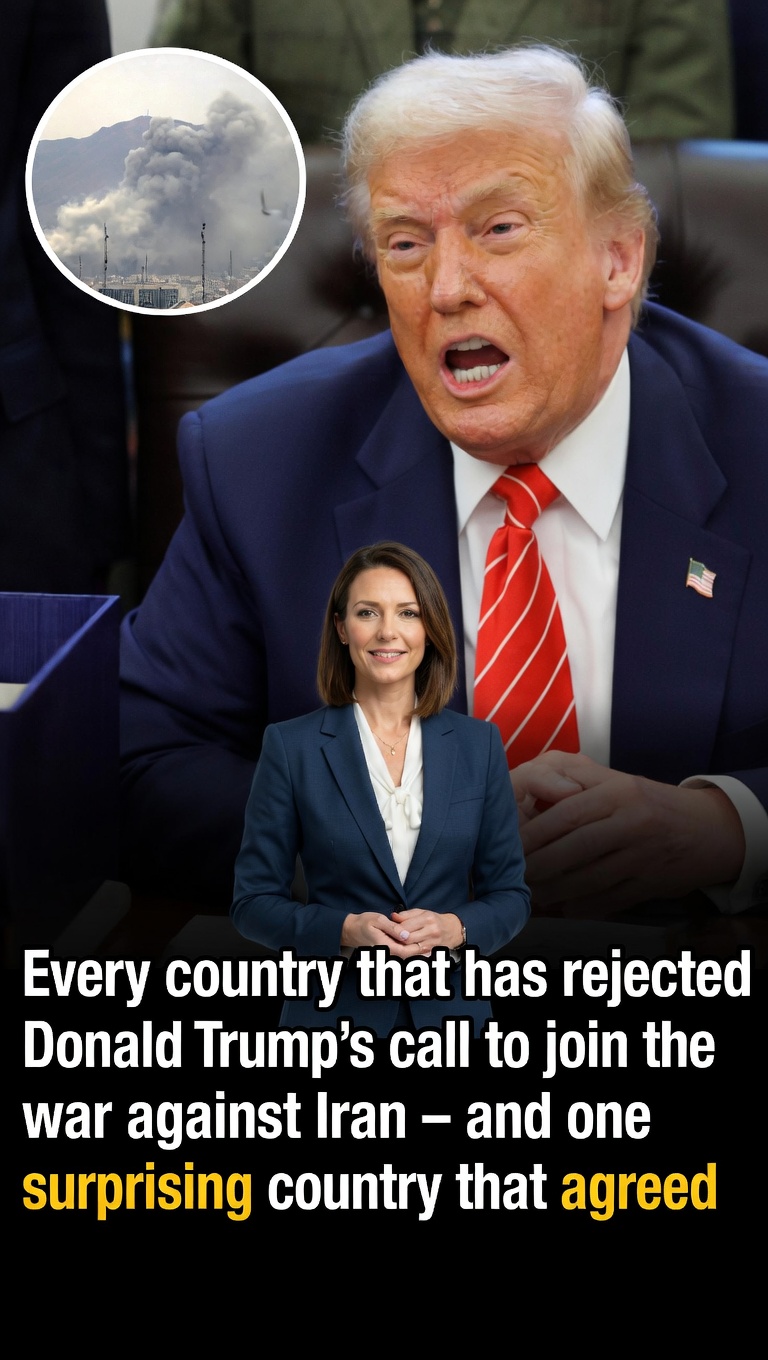
Several longtime U.S. allies have reportedly declined to participate in potential military operations against Iran, highlighting growing differences between United States foreign policy goals and the strategic priorities of its international partners.
According to reports, the administration of Donald Trump has been seeking international military backing as tensions involving Iran continue to raise concerns about regional stability. However, several allied nations have resisted committing military support, citing fears of escalation and the potential consequences of a broader conflict in the Middle East.
Among the countries declining participation are United Kingdom, Germany, Italy, and Greece. Officials from these nations have reportedly emphasized diplomacy and de-escalation over direct military involvement.
Britain, one of Washington’s closest military allies, has indicated that it prefers diplomatic solutions rather than participation in operations that could intensify tensions across the region. Germany and Italy have also signaled reluctance to commit forces or military assets, while Greece joined the list of countries declining involvement.
The decisions reflect broader concerns among European governments about becoming involved in a potentially prolonged conflict without clearly defined objectives or exit strategies. Analysts say many allied nations are increasingly weighing their own economic and security interests more carefully before joining U.S.-led military initiatives.
The situation represents a notable shift from earlier periods when NATO allies more consistently aligned with Washington on major security operations. In recent years, some European governments have adopted a more cautious approach toward military interventions, especially in the Middle East, where past conflicts created long-term political and humanitarian challenges.
Foreign policy experts note that alliance dynamics have evolved as countries reassess the balance between supporting traditional partnerships and protecting domestic interests. Concerns over energy markets, regional instability, refugee crises, and economic consequences are believed to be influencing current decisions.
The reluctance from key allies may complicate any future military planning by the White House. Without broad allied participation, the United States could face greater pressure to rely on unilateral action or seek support from regional partners instead of a wider international coalition.
Diplomatic discussions are reportedly continuing as U.S. officials attempt to build broader backing for their position. However, early responses from allied governments suggest limited enthusiasm for direct military involvement at this stage.
Political analysts say the situation highlights changing attitudes toward international military cooperation and may have long-term implications for alliance relationships. The debate also reflects broader global concerns about how major powers respond to rising tensions in strategically important regions.
As discussions continue, many governments appear focused on avoiding escalation while encouraging diplomatic engagement. Whether broader international support can eventually be secured may depend on how future negotiations develop and whether participating nations are convinced that military action would achieve clear and limited objectives.
The developments underscore the increasingly complex nature of modern alliance politics, where longstanding partnerships do not always guarantee unified responses to international crises.