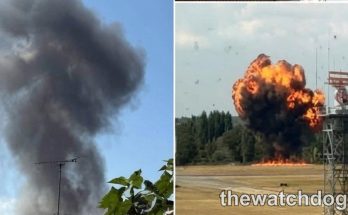
What began as a routine U.S. naval transit through the Strait of Hormuz reportedly escalated within minutes into a high-stakes exchange of missiles, countermeasures, and retaliatory strikes. Markets wavered, military command centers went on high alert, and analysts circled a single concern: escalation. The line between control and catastrophe appeared perilously thin.
On March 1, 2026, the long-standing pattern of warnings and shadowing maneuvers gave way-if only briefly-to the realities of modern conflict. Anti-ship missiles launched from the coast of Iran were met by U.S. defensive systems, with interceptors streaking skyward and electronic warfare units attempting to disrupt targeting systems. Though no American vessel was reportedly hit, the exchange marked a rare and overt test of the unwritten قواعد that have historically governed encounters in the region.
Military Response and Escalation Risks
The rapid counterstrikes by the United States on suspected missile sites demonstrated both military reach and the inherent danger of escalation. Each destroyed radar installation or launch platform intensified a critical question: how close had the situation come to a full-scale conflict? In a corridor as narrow and strategically vital as the Strait of Hormuz, the risk of miscalculation is constant. This episode is likely to be studied closely by military strategists and policymakers-not as an isolated clash, but as a stark reminder of how quickly routine operations can unravel, and how much now depends on whether restraint holds in the aftermath.