Sep 29, 2026 • 18:34 • 2 min read
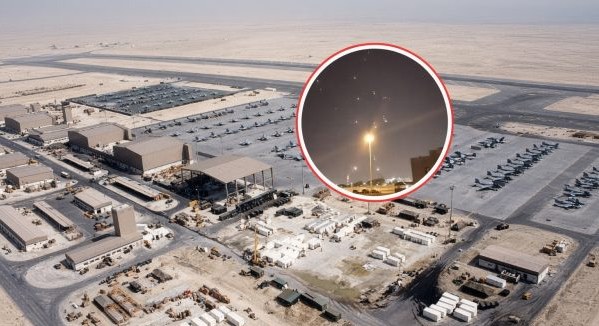
Qatar faces similar security exposures due to Al Udeid Air…
Iran’s missile and drone attacks on US-linked sites across the Persian Gulf have escalated regional tensions, prompting high security alerts.
Iran launched missile and drone attacks against locations linked to U.S. military forces and strategic infrastructure across the Persian Gulf, drastically escalating regional tensions. The offensive has forced Bahrain, Qatar, Kuwait, and the United Arab Emirates to implement heightened security measures.
These military strikes represent a major escalation in the ongoing confrontation between Iran and the United States. Neighboring Gulf states now face increased risks of being drawn directly into the widening conflict.
In the United Arab Emirates, security forces remain on high alert around Abu Dhabi and military sites. Al Dhafra Air Base, a vital strategic facility hosting U.S. personnel, has faced previous threats from Iranian missiles and drones.
Bahrain remains exceptionally vulnerable because it hosts the headquarters of the U.S.
Navy’s Fifth Fleet. Air-raid alerts and defensive operations in the small island nation continuously place residents and critical infrastructure on high alert.
Qatar faces similar security exposures due to Al Udeid Air Base, a massive regional command center hosting thousands of American troops. Qatari air defenses routinely activate to intercept incoming threats near the base.
Kuwait has experienced comparable security challenges, with drone and missile activity directed toward areas connected to regional U.S. military operations.
Despite heavy investments in advanced air-defense systems by Gulf governments, the expanding range and frequency of these aerial threats continue to present immense security hurdles.