LONDON — Remarks by U.S. Vice President JD Vance about potential European security forces in Ukraine triggered a sharp political reaction in Britain in March 2025, with veterans, lawmakers and former military figures arguing that his comments appeared to overlook the combat experience and sacrifices of British forces that served alongside American troops.
British Veterans Push Back
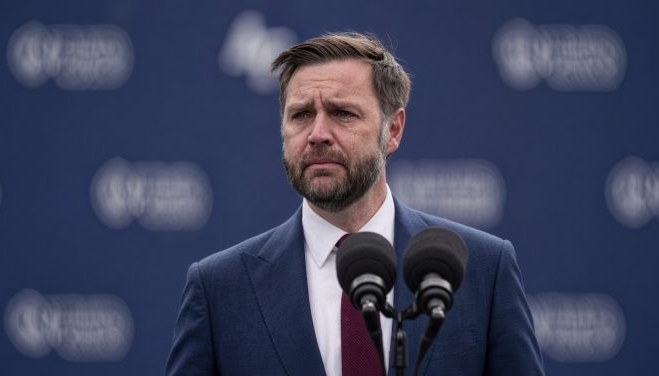
The controversy began after Vance said in a Fox News interview that a proposed U.S. economic agreement with Ukraine would provide a stronger security guarantee than 20,000 troops from what he described as “some random country that hasn’t fought a war in 30 or 40 years.” Britain and France were at the center of discussions about a possible European force for Ukraine, leading some British and French officials and veterans to interpret the remark as referring to them.
Vance later rejected that interpretation, saying he had not mentioned Britain or France and arguing that it was “absurdly dishonest” to claim he had been criticizing either country’s military.
The reaction in Britain focused heavily on the country’s military record alongside the United States.
British forces participated in the U.S.-led war in Iraq beginning in 2003 and joined the Afghanistan campaign following the September 11, 2001, terrorist attacks. Prime Minister Keir Starmer subsequently told Parliament that 642 British personnel died in Iraq and Afghanistan , including troops who fought alongside U.S. and other allied forces.
James Cartlidge, then the Conservative opposition’s defence spokesman, said Britain and France had deployed thousands of personnel to Afghanistan and argued that their service and sacrifice should not be dismissed. His comments reflected a broader response from British lawmakers who viewed Vance’s wording as insufficiently attentive to the military history shared by the two countries.
Former veterans minister Johnny Mercer, a former British Army officer who served in Afghanistan, was considerably more direct in his criticism, describing Vance in highly negative terms. Other British veterans also challenged the suggestion that European militaries lacked recent battlefield experience.
Former Foreign Secretary James Cleverly also criticized the comments, describing them as an inappropriate remark given the support Britain and other allies provided to the United States after the September 11 attacks.
The dispute reached the House of Commons as Starmer paid tribute to British personnel who died during operations in Iraq and Afghanistan.
Although Starmer did not directly name Vance when making the statement, he emphasized Britain’s history of fighting alongside its allies and specifically remembered service members who had lost their lives.
“We will never forget their bravery and their sacrifice,” Starmer told MPs, according to BBC reporting. His comments came as British lawmakers continued debating the implications of Vance’s remarks.
Downing Street also emphasized the government’s respect for British troops who served in Iraq and Afghanistan, while avoiding a direct escalation with Washington.
The response reflected the sensitivity surrounding military casualties and the political importance of the U.S.-UK defense relationship.
Former Foreign Secretary James Cleverly also criticized the comments, describing…
Vance subsequently attempted to draw a distinction between Britain and France and the countries he said he had actually been referring to.
In a social-media post, he said he had not mentioned either Britain or France and specifically acknowledged that both countries had fought alongside the United States over the previous two decades and beyond.
He then argued that other countries considering participation in a potential Ukraine peacekeeping arrangement might lack the battlefield experience or military equipment necessary for the mission.
That clarification did not immediately end the controversy. British critics continued to argue that the original wording was easily understood as a reference to European allies involved in discussions about providing troops for Ukraine.
At the same time, not every British politician interpreted the remarks in the same way. Conservative Party leader Kemi Badenoch said she did not believe Vance had been referring specifically to Britain and urged against what she viewed as an excessive reaction.
The dispute occurred against the backdrop of a longstanding U.S.-UK military and intelligence relationship that includes cooperation through NATO, joint operations and extensive defense ties.
Britain’s participation in Iraq and Afghanistan remains a significant part of that history. The country’s armed forces operated alongside American and other allied troops in both conflicts, while British personnel suffered hundreds of deaths during the campaigns.
The controversy therefore highlighted the sensitivity surrounding statements about military contributions among allied nations.
For Vance, the stated focus was the question of which countries could provide an effective security guarantee for Ukraine. For British critics, however, the language raised a separate issue: whether the sacrifices made by British service members in previous wars were being adequately recognized.
Vance’s subsequent clarification acknowledged Britain’s combat history alongside the United States, but the episode demonstrated how quickly disagreements over military policy and diplomatic language can generate tensions between close allies.
The U.S.-UK defense relationship continued despite the dispute, while the…
The U.S.-UK defense relationship continued despite the dispute, while the broader debate over European security guarantees for Ukraine remained part of ongoing discussions among Washington, London, Paris and other European governments.